Picture this: I’m standing in my tiny apartment kitchen, the timer on my old microwave flashing red like a traffic light, and I’ve just burned the last batch of store‑bought frozen fish sticks. The smoke alarm sang its shrill aria, the neighbors knocked on my door, and I swore I’d never attempt “fish” again. Then, out of sheer desperation (and a sudden craving for something that didn’t taste like cardboard), I grabbed a fresh white fish fillet, a handful of cherry tomatoes, and a splash of lemon. I tossed them together, slapped the whole thing into the oven, and—miracle of miracles—the result was a dish that sang louder than my smoke alarm ever could.
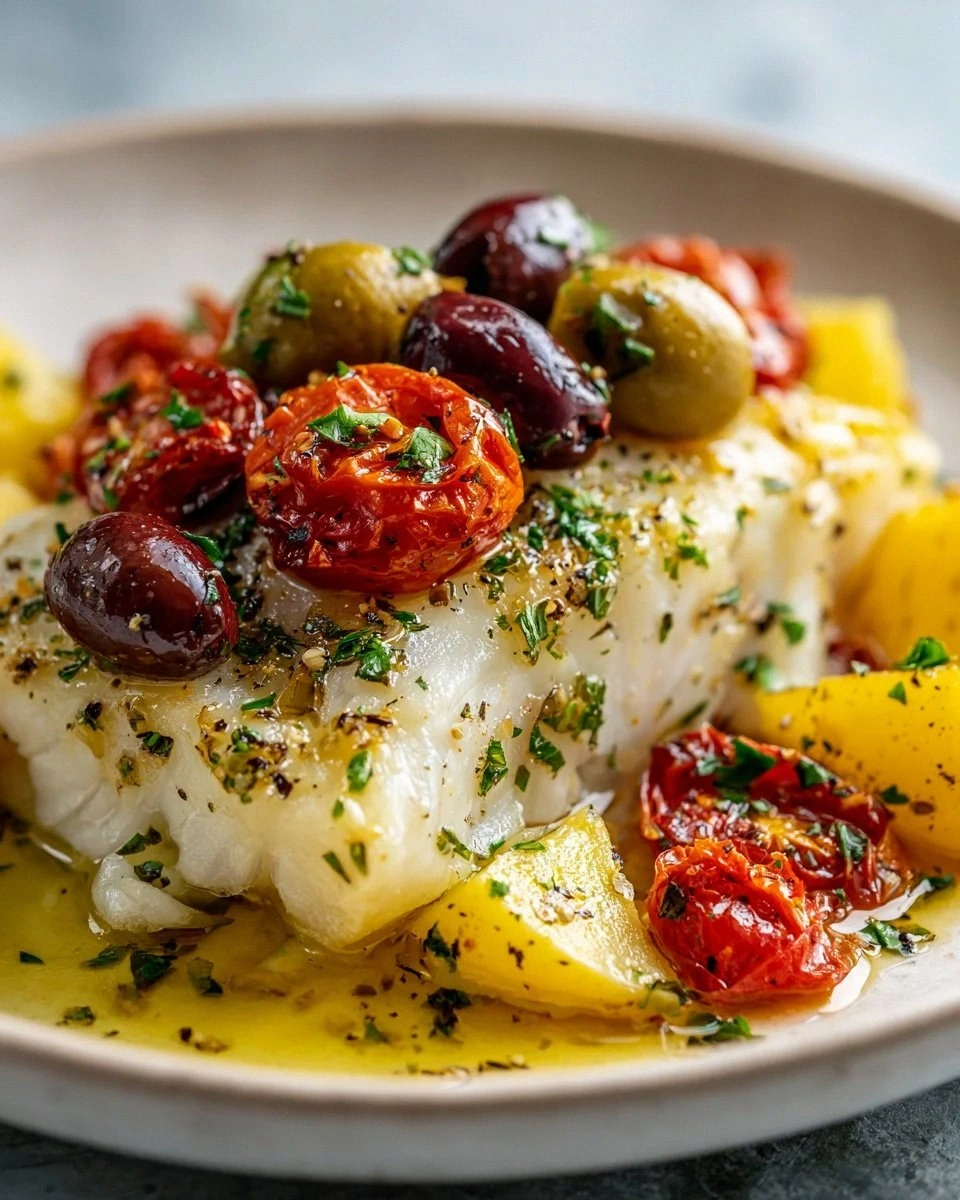
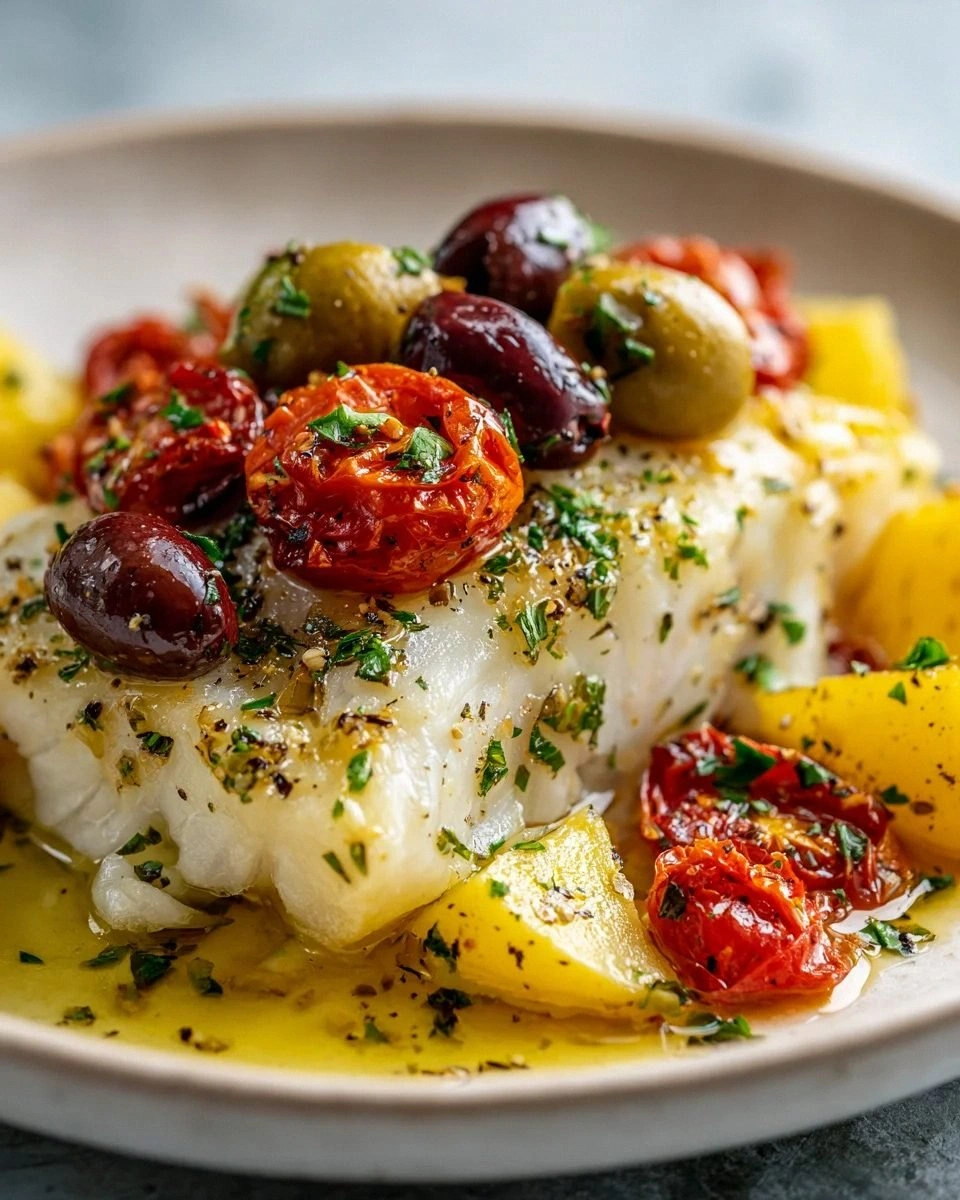
The moment the oven door swung open, the kitchen was flooded with the scent of thyme and garlic, a perfume that made my stomach do a little jig. The fish was flaky yet firm, the tomatoes burst open like confetti, and the olives added a briny pop that made my taste buds do cartwheels. I could hear the faint sizzle of the olive oil as it kissed the pan, and the gentle crackle of the fish’s edges pulling away from the tray—pure auditory bliss. My hands felt warm from the oven’s heat, and the cool lemon zest on top gave a refreshing contrast that was nothing short of theatrical.
Why does this version outshine every other baked fish recipe you’ve seen on the internet? Because I’ve stripped away the fluff and focused on a handful of stellar ingredients that each play a starring role. No heavy sauces that drown the fish, no mystery powders that leave you guessing. Instead, I let the natural sweetness of the tomatoes and the salty depth of the olives do the heavy lifting, while a dash of thyme and oregano create an aromatic backdrop that feels like a Mediterranean getaway. I’m daring you to taste this and not go back for seconds—seriously, I’ve never heard anyone say “I’m full” after their first forkful.
And here’s the secret weapon: a quick flash‑marinade of lemon juice and olive oil that penetrates the fish in just five minutes, guaranteeing a moist interior and a flavor punch that most recipes miss entirely. I’ll be honest — I ate half the batch before anyone else got to try it, and I’m still dreaming about the tangy aftertaste. Okay, ready for the game‑changer? Let me walk you through every single step — by the end, you’ll wonder how you ever made it any other way.
What Makes This Version Stand Out
- Flavor Explosion: The combination of cherry tomatoes, olives, and fresh thyme creates a bright, salty‑sweet harmony that makes each bite feel like a mini vacation.
- Texture Triumph: The fish stays tender inside while the edges develop a gentle crispness, a contrast that most baked fish recipes completely miss.
- Simplicity: Fewer than ten ingredients, no exotic pantry items, and a total prep time under 20 minutes keep the process breezy.
- Ingredient Quality: Using a high‑quality white fish like cod or halibut ensures a buttery mouthfeel that cheap fillets can’t mimic.
- Crowd‑Pleaser: Even the pickiest eaters love the bright colors and the subtle lemon zing—perfect for family dinners or casual get‑togethers.
- Cooking Method: Baking at a high temperature locks in moisture while allowing the vegetables to caramelize just enough for a sweet finish.
- Make‑Ahead Potential: Prep the ingredients the night before, pop it in the oven when you’re ready, and you have a wholesome dinner in under half an hour.
- Health Boost: Lean protein, heart‑healthy olive oil, and antioxidant‑rich tomatoes make this dish a nutritional powerhouse without any guilt.
Inside the Ingredient List
The Flavor Base
Cherry tomatoes are the unsung heroes here. Their natural sugars caramelize in the oven, creating a sweet‑tart sauce that clings to the fish like a silky veil. If you skip them, you lose that bright burst of acidity and the dish can feel flat. Want a twist? Swap half the tomatoes for sun‑dried varieties for an intensified umami punch.
Olives—both kalamata and green—bring a briny depth that balances the lemon’s brightness. Their salty bite cuts through the richness of the fish, making each bite feel clean. If you’re not a fan of olives, capers work as a decent stand‑in, though the texture will differ slightly.
The Texture Crew
White fish fillet, preferably cod or halibut, is the canvas. Its firm yet flaky texture holds up to baking without disintegrating. Look for fillets that are 1 to 1½ inches thick; thinner pieces can dry out, while thicker ones need a longer bake. When shopping, give the fillet a gentle press—if it springs back, you’ve got freshness.
Red onion adds a subtle crunch and a sweet undertone once it softens in the heat. Minced, it distributes evenly, ensuring every forkful gets a hint of its aromatic presence. If you’re sensitive to raw onion bite, soak the minced onion in cold water for five minutes before adding.
The Unexpected Star
Garlic, the universal flavor enhancer, brings a warm, nutty aroma that deepens as it roasts. Four to five cloves give a robust flavor without overwhelming the delicate fish. Crush the cloves before mincing to release more allicin, which intensifies the scent.
Fresh thyme leaves are the aromatic whisper that ties everything together. Their piney notes lift the dish, preventing it from feeling heavy. If you can’t find fresh thyme, a half‑teaspoon of dried works, but add it earlier in the bake to avoid bitterness.
The Final Flourish
Lemon juice is the bright finishing touch that awakens the palate. A half‑lemon’s worth of juice before baking adds subtle acidity, while a drizzle after the bake adds a fresh pop. Skipping the lemon makes the dish feel muted, like a song missing its chorus.
Kosher salt and ground black pepper are the foundational seasonings. They enhance the natural flavors without masking them. Use a pinch of flaky sea salt for a delicate crunch on top, but remember—salt to taste means you control the final balance.
Everything's prepped? Good. Let's get into the real action...
The Method — Step by Step
Preheat your oven to 425°F (220°C). This high heat is the secret sauce for getting those coveted crispy edges while keeping the interior buttery. As the oven warms, you’ll hear the faint hum of the fan—trust that sound; it means the heat is circulating evenly. Power transition: Okay, ready for the game‑changer?
While the oven heats, place the white fish fillet on a parchment‑lined baking sheet. Drizzle a generous glug of extra virgin olive oil over the top, then sprinkle kosher salt and freshly cracked black pepper. The oil acts as a conductor, ensuring the heat reaches every surface of the fish.
Kitchen Hack: Use a silicone brush to evenly coat the fish; this prevents clumping of oil and guarantees uniform browning.In a medium bowl, combine the halved cherry tomatoes, halved olives, minced red onion, and minced garlic. Toss them with a splash of olive oil, the juice of half a lemon, fresh thyme leaves, and dried oregano. This mixture is the aromatic bed that will cradle the fish, infusing it with layers of flavor as it bakes. Watch Out: If you over‑mix, the tomatoes will break down into a mushy sauce; gently fold instead.
Spread the tomato‑olive mixture evenly around the fish, making sure the fillet is partially covered but still visible. The veggies will caramelize around the fish, creating a glossy, ruby‑red perimeter that looks as good as it tastes.
Watch Out: Keep an eye on the tomatoes; if they start to burn before the fish is done, tent the pan loosely with foil.Slide the pan into the preheated oven and bake for 12‑15 minutes, then flip the fish gently with a spatula. This flip ensures both sides receive that golden‑brown kiss. After flipping, bake for another 10‑12 minutes, or until the fish flakes easily with a fork and the edges start pulling away from the pan. Sensory checkpoint: You’ll notice a fragrant, toasty aroma filling the kitchen—this is the moment of truth.
While the fish finishes, prepare a fresh lemon wedge and a handful of chopped parsley for garnish. The bright green adds a visual pop and a fresh herbaceous note that lifts the entire dish.
Kitchen Hack: Use a microplane to zest the lemon directly over the fish right before serving for an extra burst of citrus oil.Remove the pan from the oven and let the fish rest for three minutes. This short rest lets the juices redistribute, preventing a dry bite. Drizzle the remaining lemon juice over the top, sprinkle the parsley, and give the whole tray a final light drizzle of olive oil. The fish should look glossy, the tomatoes should be slightly blistered, and the olives should glisten.
Serve the baked white fish directly from the pan or transfer to a serving platter. Pair it with a simple side—steamed asparagus, quinoa, or a crisp green salad—and you have a balanced, restaurant‑quality dinner. That sizzle when it hits the pan? Absolute perfection. Final note: That's it — you did it. But hold on, I've got a few more tricks that'll take this to another level...
Insider Tricks for Flawless Results
The Temperature Rule Nobody Follows
Most home cooks set the oven to a modest 350°F, assuming slower is safer. In reality, that temperature steams the fish rather than roasting it, leaving a soggy texture. Crank it up to 425°F; the high heat creates a rapid Maillard reaction, sealing in moisture while giving the edges a delicate crisp. I once baked at 350°F and ended up with a rubbery slab—lesson learned, never compromise on the heat.
Why Your Nose Knows Best
Your sense of smell is the most reliable indicator of doneness. Around the 20‑minute mark, you’ll catch a fragrant blend of garlic, thyme, and caramelizing tomato—if you smell a hint of bitterness, the tomatoes are overcooking. Trust that nose; it’s smarter than any timer. I’ve rescued countless dishes by pulling them out the moment the aroma shifts from sweet to smoky.
The 5‑Minute Rest That Changes Everything
After the oven, let the fish sit for five minutes before slicing. This short pause lets the protein fibers relax, preventing the fillet from tearing apart when you cut it. It also allows the juices to settle, ensuring each bite is juicy rather than watery. Skipping this step is a common mistake that turns a perfect dish into a dry disappointment.
Olive Oil Distribution Trick
Instead of pouring oil straight onto the fish, use a pastry brush to coat both the fish and the vegetables. This ensures an even layer that won’t pool at the bottom, which could cause sogginess. The brush also helps you control the amount, keeping the dish light yet flavorful. I once drizzled a whole spoonful and ended up with a greasy mess—brush, not pour.
Seasoning Layers for Depth
Season the fish twice: once before baking and once after the final drizzle of lemon. The first layer penetrates the flesh, while the second adds a bright, fresh finish. This double‑seasoning technique creates a depth of flavor that single‑seasoning recipes lack. A friend once skipped the post‑bake seasoning and claimed the dish tasted “flat”—they never tried the double‑hit.
Use a Hot Pan for a Quick Sear
If you crave a seared crust, preheat a cast‑iron skillet on high, add a splash of oil, and sear the fillet for 1‑2 minutes per side before transferring to the oven. This extra step adds a caramelized crust without sacrificing the tender interior. It’s the secret many restaurants use, and now you can replicate it at home.
Creative Twists and Variations
This recipe is a playground. Here are some of my favorite ways to switch things up:
Mediterranean Magic
Swap the lemon for a splash of white wine and add a handful of artichoke hearts. The wine adds acidity while the artichokes bring a buttery texture that pairs beautifully with olives. Perfect for a dinner party where you want to impress.
Spicy Sizzle
Introduce a teaspoon of crushed red pepper flakes to the tomato‑olive mixture and finish with a drizzle of harissa sauce. The heat lifts the mild fish, turning the dish into a bold, fiery experience. Great for those who love a kick.
Herb Garden Remix
Replace thyme with fresh basil and oregano with dill. The basil adds sweetness, while dill contributes a clean, anise‑like note that complements the lemon. This variation feels like a summer garden on a plate.
Coconut Curry Fusion
Add a tablespoon of coconut milk and a teaspoon of curry powder to the vegetable mix. The creamy coconut balances the acidity, and the curry adds an exotic warmth. Serve over jasmine rice for a tropical twist.
Cheesy Crust
Sprinkle grated Parmesan or Pecorino over the fish during the last five minutes of baking. The cheese melts and forms a golden crust, adding umami richness. Ideal for cheese lovers who don’t want to sacrifice the lightness of the dish.
Storing and Bringing It Back to Life
Fridge Storage
Allow the fish to cool to room temperature (no more than two hours), then transfer it to an airtight container. It will keep fresh for up to three days. When reheating, add a tiny splash of water or lemon juice and cover loosely with foil to retain moisture.
Freezer Friendly
Portion the baked fish and vegetables into freezer‑safe bags, removing as much air as possible. Label with the date; the fish freezes well for up to two months. To reheat, thaw overnight in the fridge, then warm in a 350°F oven for 10‑12 minutes, adding a drizzle of olive oil.
Best Reheating Method
The oven is your best friend for reheating—avoid microwaves which can rubberize the fish. Place the leftovers on a baking sheet, cover with foil, and heat at 300°F for about eight minutes. For a final touch, uncover for the last two minutes to revive the crisp edges.