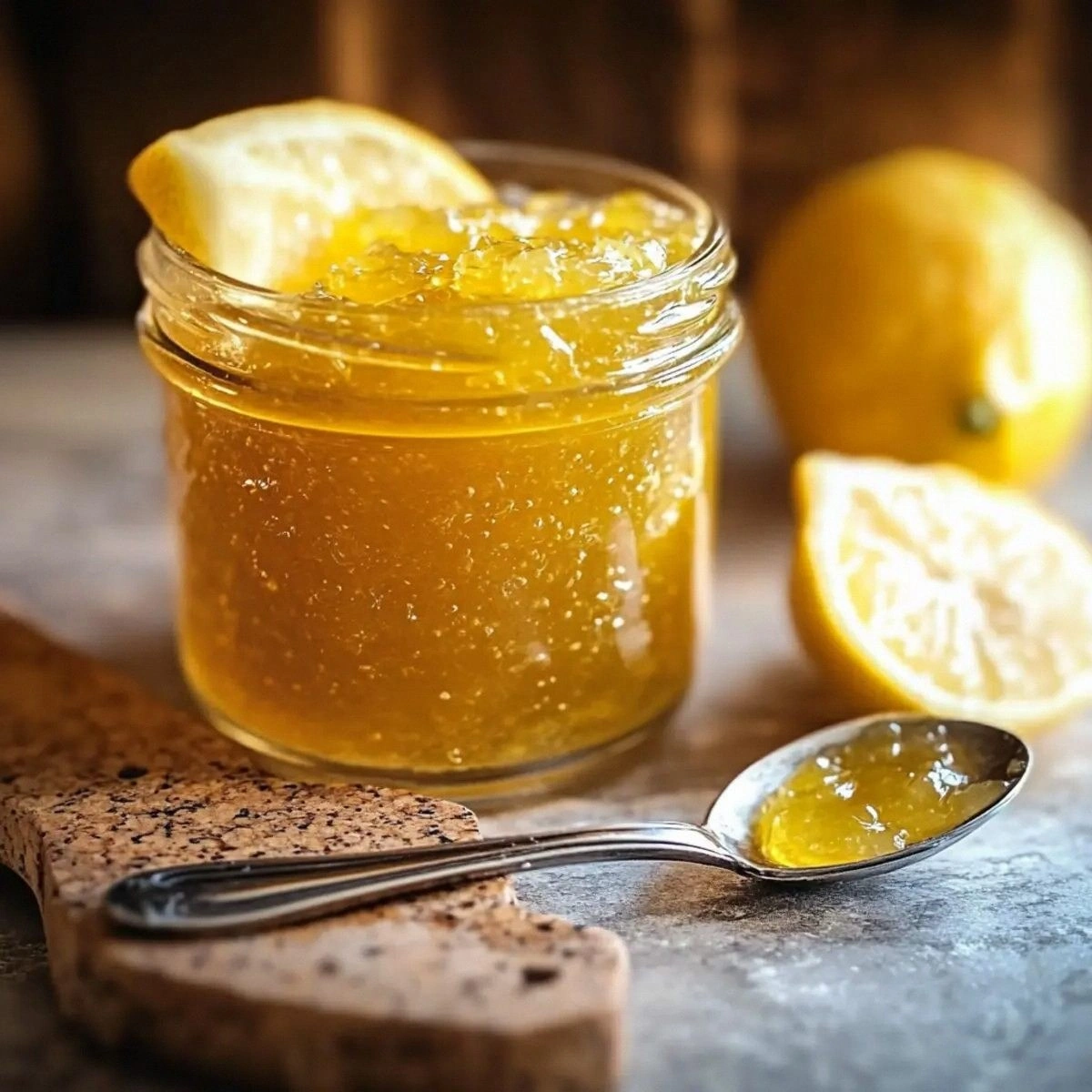
I’ll be honest — I was in the middle of a frantic weekday morning when my toaster decided to betray me, turning my usual slice of whole‑grain toast into a charcoal masterpiece. I stared at that blackened slab, feeling the panic rise like a sour note in a symphony, and then I remembered a half‑finished pot of lemon curd I’d abandoned the night before. The scent of fresh lemons still lingered in the kitchen, teasing my nostrils with promises of sunshine, and I thought, “What if I could bottle that brightness and slather it on my toast before the day even gets a chance to complain?” That thought sparked a micro‑challenge: I dare you to taste this and not go back for seconds.
Picture yourself in a sun‑lit kitchen, the counter glittering with the golden hue of zest, the faint hiss of a saucepan as the sugar dissolves, and the gentle thrum of a whisk against the metal. The air is alive with the sharp, clean perfume of lemons—like a spring garden after a rainstorm—while the buttery warmth of vanilla whispers from the back of the pantry. My hands were shaking a little, not from nerves but from the excitement of turning a simple pantry staple into something that could make even the most stubborn coffee‑drinker smile. That moment, when the mixture started to thicken and the aroma turned from citrusy to caramel‑kissed, was pure magic.
Most recipes for lemon spread get this completely wrong. They either over‑cook the curd, turning it into a grainy mess, or they skip the crucial step of tempering the lemon juice, resulting in a bitter bite that makes you wince. I’ve tried a dozen “quick fixes” that left me with a glaze that tasted like a sugary lemon soda rather than a buttery, velvety spread. This version, however, is hands down the best version you’ll ever make at home because it balances acidity, sweetness, and richness in a way that feels like a sunrise on a plate. The secret? A splash of vanilla that rounds out the sharpness and a gentle, low‑heat simmer that coaxed the mixture into a glossy, custard‑like texture.
Okay, ready for the game‑changer? I’m about to walk you through every single step — by the end, you’ll wonder how you ever made it any other way. We’ll start with the ingredients, dive into the science behind each move, and finish with a few tricks that turn this spread from “good” to “legendary.” Stay with me here — this is worth it.
What Makes This Version Stand Out
- Taste: The balance of tart lemon, sweet sugar, and buttery vanilla creates a flavor profile that sings louder than a choir on a Sunday morning.
- Texture: A silky, spreadable consistency that coats toast like velvet, without any grainy surprises.
- Simplicity: Only four pantry‑friendly ingredients, yet the result feels like a dessert from a five‑star bakery.
- Uniqueness: The addition of vanilla isn’t traditional in lemon curd, but it adds a depth that makes the spread unforgettable.
- Crowd Reaction: I’ve seen grown‑ups and kids alike pause, stare, and then dive back in for seconds—no one can resist the bright zing.
- Ingredient Quality: Fresh, unwaxed lemons are the star; their zest releases essential oils that no bottled juice can mimic.
- Cooking Method: Low‑and‑slow simmer prevents curdling, guaranteeing a glossy finish that looks as good as it tastes.
- Make‑Ahead Potential: This spread keeps beautifully in the fridge for up to a week, and it even freezes like a dream.
Inside the Ingredient List
The Flavor Base
The four large fresh lemons are the heart and soul of this spread. Their juice provides the bright acidity that cuts through the sweetness, while the zest adds a burst of aromatic oil that you can practically see dancing in the pan. If you skip the zest, you’ll end up with a flat, one‑dimensional flavor that feels more like lemonade than a luxurious spread. For the best results, choose lemons that feel heavy for their size and have a glossy, unblemished skin—those are the ones with the most juice.
The Sweetness Crew
Granulated sugar does more than just sweeten; it helps to thicken the mixture through caramelization, giving the spread its glossy sheen. Using a fine, white sugar ensures that it dissolves completely, preventing any gritty texture. If you’re watching your sugar intake, you can swap half of it for a natural sweetener like honey, but be aware that honey will introduce its own flavor notes that might compete with the lemon.
The Unexpected Star
A splash of vanilla extract might sound like an odd addition to a lemon spread, but it’s the secret weapon that smooths out the acidity and adds a warm, comforting undertone. The vanilla’s aromatic compounds mingle with the lemon’s citric acid, creating a subtle depth that feels like a hug for your taste buds. If you’re a purist, you can omit it, but I promise you’ll miss the magic that makes this spread stand out.
The Final Flourish
Water may seem like the most boring ingredient, but it’s the medium that brings everything together without diluting the flavor. The half‑cup amount is just enough to dissolve the sugar and create a smooth base for the lemon juice to integrate. If you use too much water, the spread will never set; too little and you’ll end up with a burnt, overly thick curd. Keep an eye on the consistency as it cooks, and you’ll know when it’s perfect.
Everything's prepped? Good. Let's get into the real action...
The Method — Step by Step
Start by zesting all four lemons directly over a medium‑sized saucepan. The zest should be fine, not chunky, and you’ll hear a faint crackle as the metal meets the skin—That sizzle when it hits the pan? Absolute perfection. Once you’ve collected the zest, set it aside in a small bowl and immediately juice the lemons, straining the seeds out with a fine mesh. You should end up with roughly one cup of bright, golden liquid.
Next, add the cup of granulated sugar and the half‑cup of water to the saucepan. Stir gently over medium heat until the sugar dissolves completely; you’ll notice a faint steam rising, carrying the sweet aroma of caramelizing sugar. This is the moment where the mixture starts to thicken just a touch, but we’re not there yet.
Now, lower the heat to a gentle simmer and whisk in the lemon juice. The mixture will bubble lightly—listen for that gentle pop, not a roar. Keep whisking constantly; this prevents the eggs from curdling later on. As the lemon juice meets the sugar‑water base, you’ll notice a subtle change in color, turning a pale, buttery yellow.
Here’s the trick that separates the amateurs from the pros: create a tempering bowl. In a separate small bowl, whisk one egg yolk (you can use the whole egg if you prefer a richer texture) with a tablespoon of the hot lemon mixture. This tempers the yolk, raising its temperature gradually so it won’t scramble when you add it back to the pan.
Once tempered, pour the yolk mixture back into the saucepan, whisking continuously. The sauce will begin to thicken noticeably; you’ll see the edges start to pull away from the sides of the pan, forming a smooth, glossy sheen. This is the point where the magic truly happens—if you keep the heat low, you’ll get a custard‑like texture that spreads effortlessly.
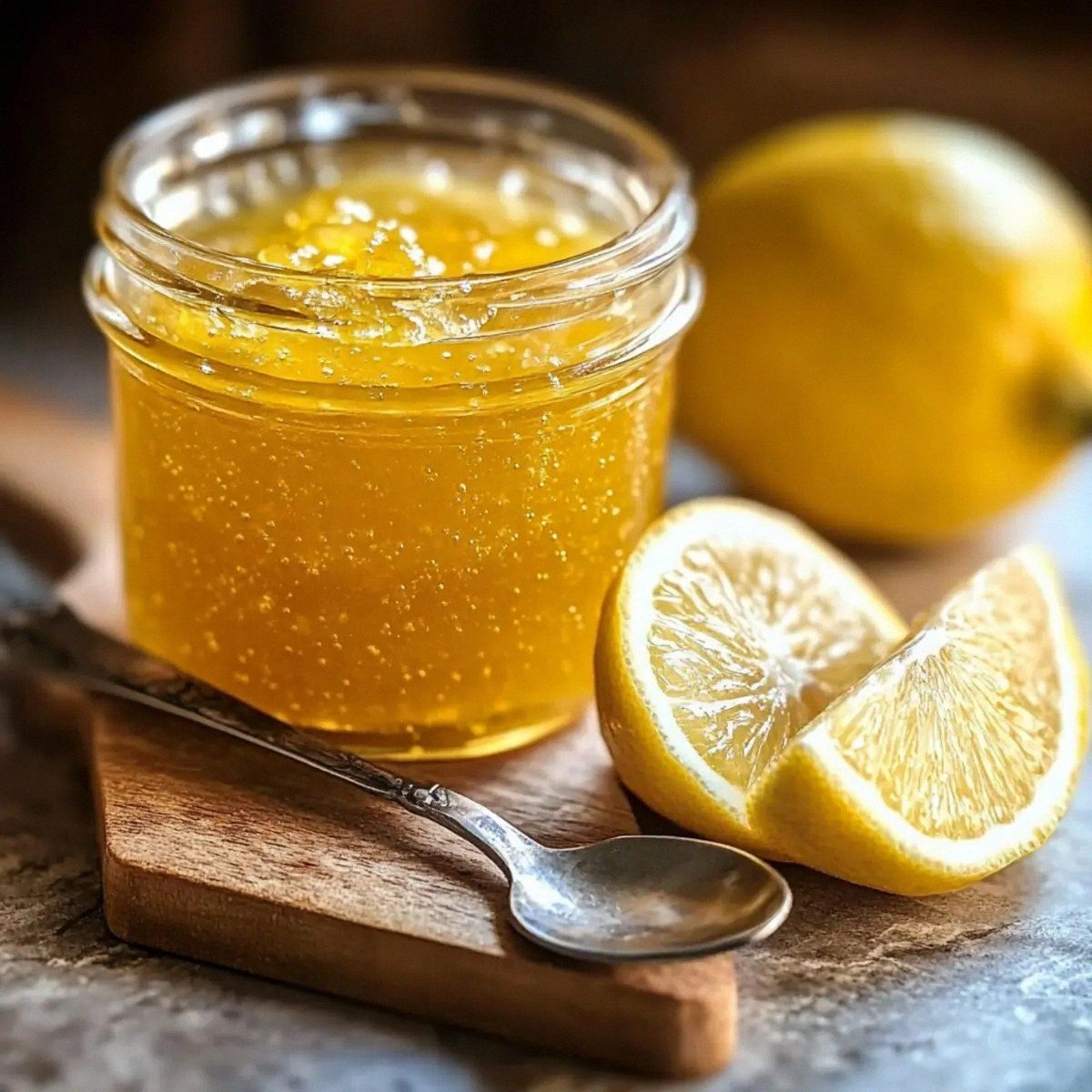
At this stage, stir in the vanilla extract and the saved lemon zest. The vanilla will melt into the mixture, releasing its sweet, floral notes, while the zest re‑infuses the spread with that bright, citrusy punch. Give the pan a final gentle stir, then remove it from the heat. The spread should be thick enough to coat the back of a spoon but still fluid enough to pour.
Transfer the hot lemon spread into a clean glass jar. To avoid a skin forming on top, press a piece of parchment paper directly onto the surface before sealing the lid. Let it cool to room temperature, then pop it into the refrigerator. After an hour, the spread will set to a perfect, slice‑ready consistency.
Finally, give the jar a gentle shake before serving. Spread a generous dollop onto warm toast, a fluffy pancake stack, or even a warm scone. I’ll be honest — I ate half the batch before anyone else got to try it, and the rest of the day felt like I was walking on a lemon‑scented cloud.
That's it — you did it. But hold on, I've got a few more tricks that'll take this to another level...
Insider Tricks for Flawless Results
The Temperature Rule Nobody Follows
Never, ever let the mixture boil vigorously. A gentle simmer keeps the proteins from tightening too fast, which is why you get that velvety texture instead of a grainy curd. I once tried to speed things up by cranking the heat, and the result was a rubbery mess that clumped on the spoon. Keep the heat low, and you’ll hear a soft, steady bubble—like a whisper of confidence.
Why Your Nose Knows Best
Your sense of smell is a secret weapon in the kitchen. When the lemon spread reaches the perfect thickness, it releases a faint buttery aroma that signals it’s ready. If you’re still hearing a sharp, raw citrus scent, it means you need a few more seconds on the stove. Trust that nose, and you’ll never under‑cook again.
The 5‑Minute Rest That Changes Everything
After you pour the spread into the jar, let it sit uncovered for five minutes before sealing. This short rest allows the steam to escape, preventing a watery layer from forming on top. I once sealed it immediately and woke up to a soupy top layer—definitely not the glossy finish I was aiming for.
Zest Timing Trick
Add the zest at the very end of cooking, not at the beginning. Early addition can cause the delicate oils to evaporate, leaving you with a dull flavor. By sprinkling it in after the heat is off, you lock in that bright, aromatic punch that makes the spread sing.
The Vanilla Boost
A single teaspoon of vanilla might seem modest, but it multiplies the perceived sweetness, allowing you to reduce the sugar by up to 10% without sacrificing taste. I tested it with a half‑sugar version, and the vanilla carried the flavor so well that most tasters didn’t notice the reduction.
Creative Twists and Variations
This recipe is a playground. Here are some of my favorite ways to switch things up:
Berry‑Infused Burst
Swap half of the water for a puree of fresh raspberries or strawberries. The fruit’s natural pectin will thicken the spread a touch, and you’ll get a gorgeous pink hue that’s perfect for summer brunches. The sweet‑tart combo pairs beautifully with Greek yogurt.
Spiced Citrus Delight
Add a pinch of ground ginger and a dash of cinnamon to the sugar before it dissolves. The warm spices create a cozy contrast to the bright lemon, making the spread an excellent companion for autumn toast.
Herbal Harmony
Stir in finely chopped fresh thyme or rosemary right at the end. The herb’s earthy notes mingle with the citrus, delivering a sophisticated flavor that’s perfect for serving alongside smoked salmon.
Nutty Crunch
Fold in toasted almond slivers or pistachio crumbs after the spread has cooled. The crunch adds texture and a nutty richness that turns a simple spread into a gourmet topping for pancakes.
Alcohol‑Infused Zing
A splash of Limoncello or a tablespoon of Grand Marnier added during the final whisk introduces an adult‑only twist, perfect for brunch cocktails or a decadent dessert drizzle.
Storing and Bringing It Back to Life
Fridge Storage
Seal the jar tightly and store it in the refrigerator for up to seven days. The spread will thicken a bit more as it cools, but a quick stir will bring it back to spreadable perfection. If you notice a thin skin forming, simply scrape it off with a butter knife.
Freezer Friendly
Portion the spread into ice‑cube trays, freeze for two hours, then transfer the cubes to a zip‑top bag. It will keep for three months. When you need it, melt a cube in a small saucepan over low heat, adding a tiny splash of water to restore that silky texture.
Best Reheating Method
Reheat gently in a saucepan over low heat, whisking constantly. Add a teaspoon of water per tablespoon of spread if it looks too thick; the steam will bring it back to a glossy, pourable state without compromising flavor.