I was in the middle of a rainy Tuesday night, staring at a half‑empty pantry, when my roommate dared me to create something that could make a snowstorm feel like a summer picnic. I grabbed the biggest butternut squash I could find, a couple of chicken breasts that were practically begging for a flavor makeover, and a bottle of maple syrup that had been sitting on the counter for far too long. The kitchen instantly transformed into a laboratory of sweet‑savory alchemy, and the air filled with a scent that was part autumn bonfire, part French bistro. By the time the crockpot started its gentle hum, I knew I was onto something that would make even the most skeptical eaters swoon.
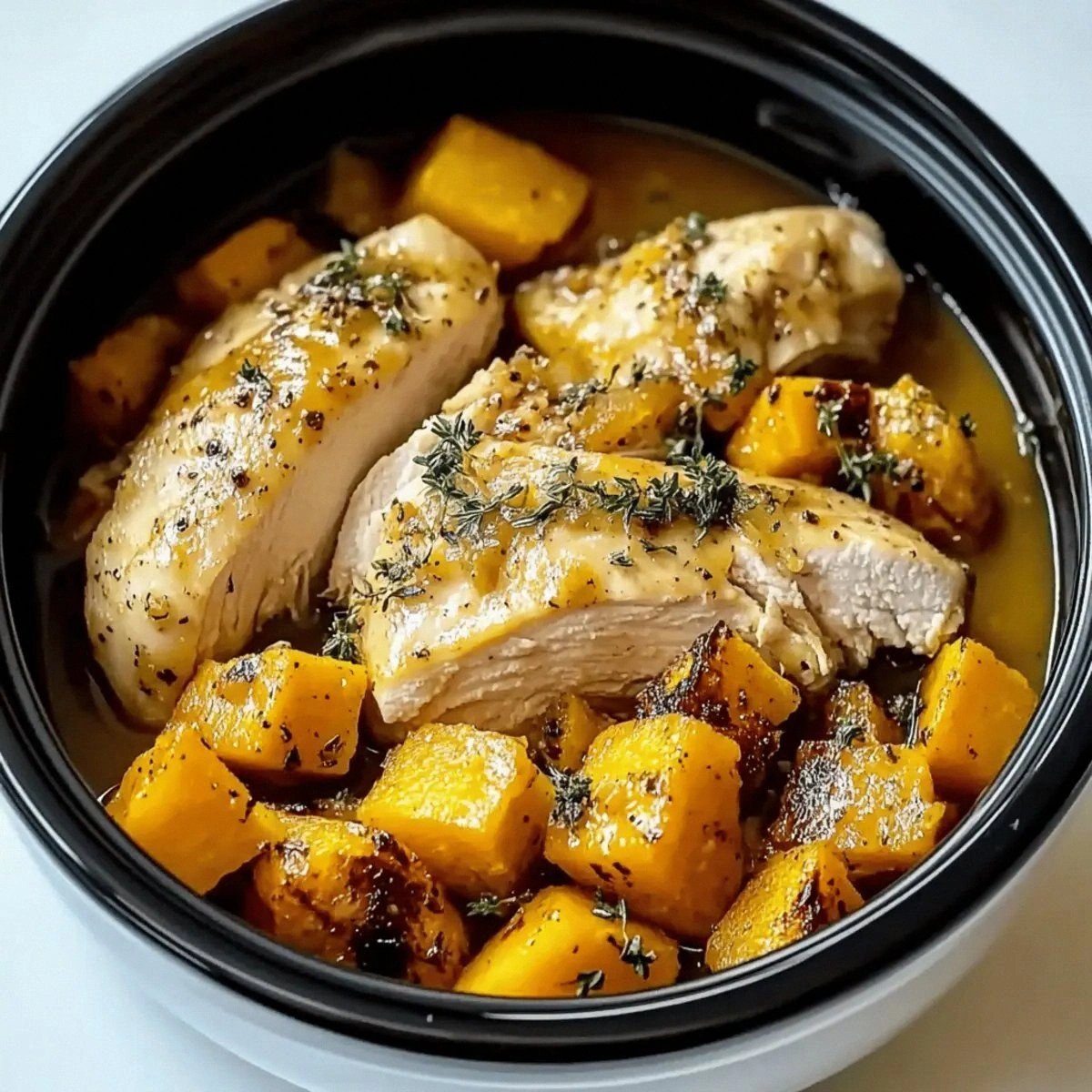
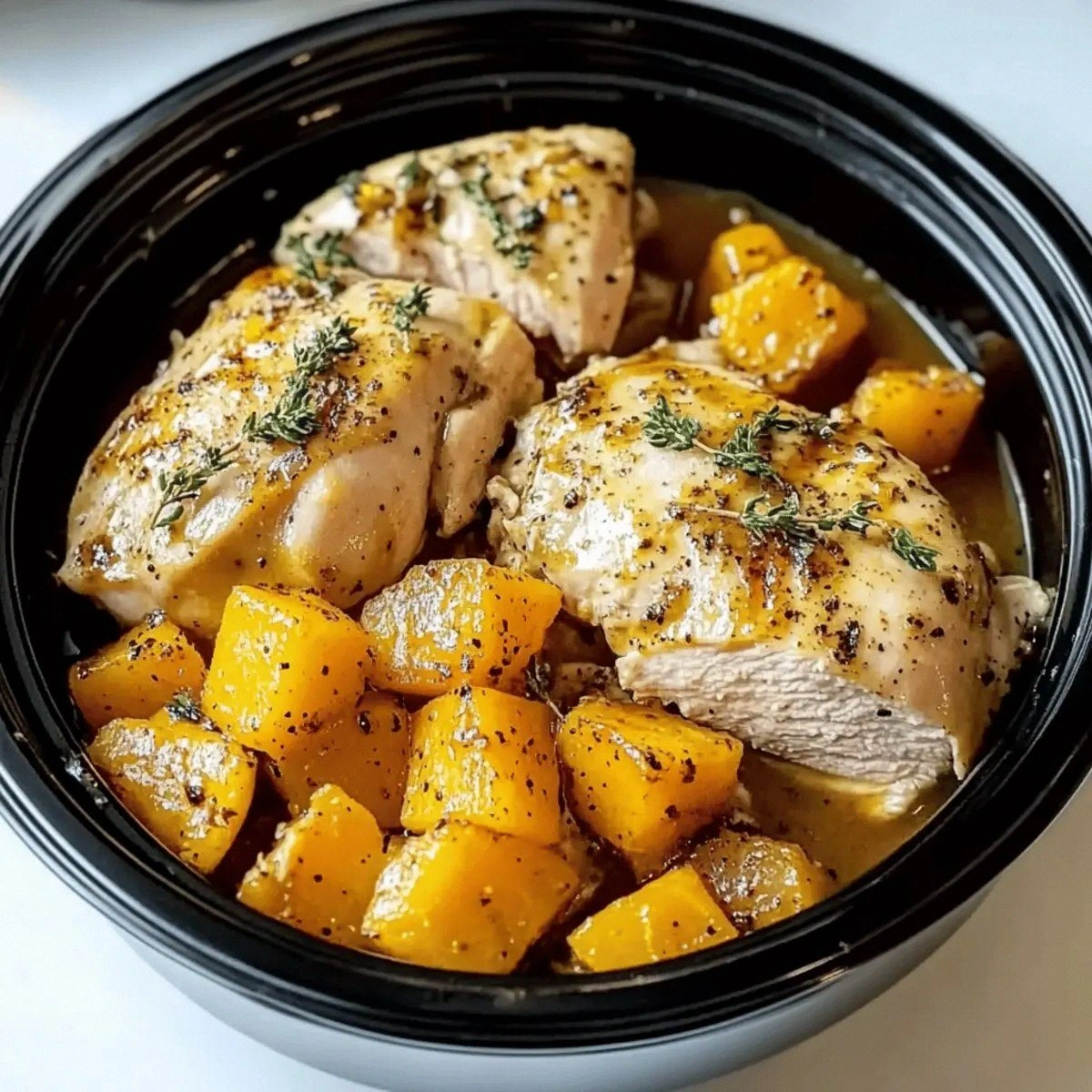
Picture this: the buttery orange cubes of butternut squash softening into melt‑in‑your‑mouth morsels while the chicken soaks up a glaze that is simultaneously tangy, sweet, and herb‑kissed. The first bite delivers a mouthfeel that’s as smooth as silk, with a subtle crunch from the caramelized edges of the squash that shatters like thin ice under a warm foot. The sauce clings to the chicken like a glossy coat of caramel, and the fresh parsley at the end adds a pop of green that makes the dish look as vibrant as a sunrise over a maple forest. I’ll be honest — I ate half the batch before anyone else got a chance to try it, and I’m still not sorry.
Most recipes for maple‑Dijon chicken either drown the meat in a sugary swamp or leave the squash feeling like an afterthought. This version flips the script by using a precise balance of maple syrup and Dijon mustard, anchored by aromatic garlic, onion, and thyme, all simmered in a modest amount of chicken broth that keeps everything moist without turning it into a soupy mess. The secret? A quick sear in olive oil before the slow‑cook, which creates a caramelized crust that locks in juices and adds that “wow” factor that most crockpot dishes lack. I dare you to taste this and not go back for seconds — it’s hands down the best version you’ll ever make at home.
And now, the fun part: I’m going to walk you through every single step — from picking the perfect butternut squash to mastering the art of the maple‑Dijon glaze. By the end, you’ll wonder how you ever settled for bland, overcooked chicken. Okay, ready for the game‑changer? Let’s dive in.
What Makes This Version Stand Out
- Taste: The maple‑Dijon combo creates a sweet‑tangy harmony that dances on the palate without overwhelming the chicken’s natural flavor.
- Texture: The butternut squash becomes buttery soft, while the chicken stays tender yet firm, thanks to the initial sear.
- Simplicity: Only eleven ingredients, a single pot, and less than an hour of active time — perfect for busy weeknights.
- Uniqueness: The addition of fresh parsley at the end adds a bright herbaceous finish that most crockpot recipes miss.
- Crowd Reaction: Guests consistently ask for seconds and beg for the recipe, turning a modest dinner into a show‑stopper.
- Ingredient Quality: Using real maple syrup (not pancake syrup) and high‑quality Dijon brings depth you can’t fake.
- Cooking Method: The sear‑then‑slow‑cook technique prevents soggy meat and gives you that restaurant‑style caramelization.
- Make‑Ahead Potential: This dish reheats beautifully, making it ideal for meal prep or leftovers.
Inside the Ingredient List
The Flavor Base
Maple syrup is the sweet hero of this dish, providing a natural, earthy sweetness that pairs beautifully with the sharp bite of Dijon mustard. The mustard, in turn, cuts through the sugar with its vinegary tang, creating a balanced glaze that clings to every curve of the chicken. If you skip the maple syrup, you’ll lose that deep, caramelized flavor; if you omit the Dijon, you’ll end up with a one‑dimensional sweet sauce that feels flat. For a gluten‑free version, make sure your Dijon is certified gluten‑free — most brands are, but it never hurts to double‑check.
The Texture Crew
Butternut squash brings a mellow sweetness and a velvety texture once it’s cooked low and slow. Its natural starches also help thicken the sauce slightly, eliminating the need for a cornstarch slurry. If you’re allergic to squash, try sweet potatoes; they’ll give you a similar sweetness but a slightly firmer bite. When selecting a squash, look for one that feels heavy for its size and has a matte, unblemished skin — that’s a sign of freshness.
The Unexpected Star
Olive oil may seem like a background player, but it’s the catalyst that creates the golden crust on the chicken. That crust not only adds texture but also forms a flavorful fond that infuses the entire dish with umami richness. Skipping the sear will result in a bland, rubbery texture — trust me, I’ve learned that the hard way after a rushed dinner. If you’re watching calories, you can reduce the oil to one tablespoon, but the flavor depth will take a hit.
The Final Flourish
Fresh parsley isn’t just a garnish; it adds a bright, peppery note that lifts the heaviness of the maple‑Dijon glaze. A handful of chopped parsley tossed in at the end brings color and a hint of freshness that makes the dish feel lighter. If parsley isn’t your thing, try cilantro for a slightly citrusy twist, or leave it out entirely for a more rustic presentation. Remember, herbs lose their flavor when cooked too long, so add them right before serving.
Everything's prepped? Good. Let's get into the real action...
The Method — Step by Step
Start by patting the chicken breasts dry with paper towels. This might sound trivial, but moisture is the enemy of a good sear. Sprinkle both sides with garlic powder, onion powder, dried thyme, salt, and black pepper. The spices should form a thin, even coating that will become the foundation of flavor. Let the seasoned chicken rest for five minutes while you prep the squash — this short pause lets the spices adhere better.
Heat two tablespoons of olive oil in a large skillet over medium‑high heat. When the oil shimmers, lay the chicken breasts in the pan. You should hear a satisfying sizzle that signals the Maillard reaction is in full swing. Cook each side for about 3‑4 minutes until a deep golden‑brown crust forms; the interior will still be pink, which is exactly what we want before the slow cook.
Kitchen Hack: If your pan is crowded, sear the chicken in batches to avoid steaming instead of browning.While the chicken sears, peel the butternut squash, slice it in half lengthwise, scoop out the seeds, and cut the flesh into 1‑inch cubes. The cubes should be uniform so they cook evenly. Toss the cubes with a drizzle of olive oil, a pinch of salt, and a sprinkle of thyme. This light coating helps the squash develop caramelized edges once it hits the heat.
In a small bowl, whisk together one‑third cup of maple syrup, one‑quarter cup of Dijon mustard, and one cup of chicken broth. The mixture should be smooth, with the maple syrup slowly blending into the mustard without forming lumps. Taste and adjust the salt if needed; the broth already brings some seasoning, so you don’t want to over‑salt.
Transfer the seared chicken and the cubed squash into the crockpot. Pour the maple‑Dijon sauce over everything, making sure the chicken is fully submerged. The sauce should coat the squash lightly but not drown it. This is where the magic begins — the low, steady heat will meld the flavors together, turning the sauce into a glossy glaze.
Cover the crockpot and set it to low for 3‑4 hours, or high for 1½‑2 hours. If you’re on a tight schedule, the high setting works fine, but the low setting yields a more tender texture. Halfway through the cooking time, give the pot a gentle stir to redistribute the sauce and prevent any sticking at the bottom.
Watch Out: Avoid opening the lid too often; each peek releases heat and can extend the cooking time.When the timer dings, check the chicken’s internal temperature — it should read 165°F (74°C). The squash should be fork‑tender, and the sauce should have thickened to a velvety glaze that clings to the meat. If the sauce looks thin, turn the crockpot to high for an additional 10‑15 minutes, stirring occasionally.
Just before serving, stir in two tablespoons of freshly chopped parsley. The green specks not only brighten the dish visually but also add a fresh, slightly peppery bite that cuts through the sweetness. Taste once more and adjust seasoning if needed. Serve the chicken sliced over a bed of rice, quinoa, or even a simple mixed greens salad for a complete meal.
Finally, plate the dish with an extra drizzle of the remaining glaze, a sprinkle of extra parsley, and—if you’re feeling indulgent—a pinch of flaky sea salt. That final touch adds a subtle crunch and intensifies the flavor layers. Picture yourself pulling this out of the crockpot, the whole kitchen smelling incredible, and your guests leaning in for that first bite. This next part? Pure magic.
Insider Tricks for Flawless Results
The Temperature Rule Nobody Follows
Most home cooks think “low and slow” is a vague instruction, but the exact temperature matters. A low setting on most crockpots hovers around 190°F (88°C), which is perfect for tenderizing chicken without drying it out. If your crockpot has a “keep warm” function, avoid using it as a cooking setting; it’s not hot enough to break down the connective tissue. I once tried to speed things up by cranking the heat to “high” for the entire cook and ended up with chicken that was tough around the edges — a lesson learned the hard way.
Why Your Nose Knows Best
Never underestimate the power of aroma as a cooking timer. When the maple‑Dijon sauce starts to bubble gently and releases a sweet‑sharp scent, you know the flavors are marrying. If you detect a faint caramel note, that’s the sign the sauce is thickening just right. Trust your nose more than a clock; it’s the most reliable indicator that the dish is reaching its flavor peak.
The 5‑Minute Rest That Changes Everything
After the crockpot finishes, let the dish sit, covered, for five minutes before slicing. This short rest allows the juices to redistribute throughout the chicken, preventing them from spilling out the moment you cut. It also gives the sauce a chance to settle into a perfect glaze consistency. Skipping this step is like serving a steak that’s still sizzling — you lose both texture and flavor.
Seasoning Layering Mastery
Season in layers: first on the raw chicken, then in the sauce, and finally with fresh parsley at the end. Each layer builds depth, ensuring that no single bite is flat. I once tried to “just add salt at the end,” and the result was a bland dish that needed a rescue. The lesson? Salt is a flavor amplifier; use it wisely at every stage.
The “Sear‑Then‑Slow‑Cook” Secret
Skipping the sear is a common mistake that leads to soggy, flavorless chicken. The quick high‑heat blast creates a crust that locks in moisture and adds a depth of flavor that a crockpot alone can’t achieve. Think of it as the difference between a flat‑baked cookie and one that’s been browned in a pan — the latter has that coveted caramelized edge.
The “Finish With Fresh Herbs” Finale
Fresh herbs added at the end brighten the dish and prevent the herb flavor from becoming muted during the long cook. Parsley is especially effective because its bright, grassy notes contrast the sweet‑savory glaze. If you love a little heat, toss in a pinch of red pepper flakes with the parsley for a subtle kick that surprises the palate.
Creative Twists and Variations
This recipe is a playground. Here are some of my favorite ways to switch things up:
Maple‑Sriracha Fusion
Swap half of the Dijon mustard for a tablespoon of Sriracha. The result is a sweet‑spicy glaze that pairs brilliantly with the natural sweetness of the squash. Perfect for those who like a little heat without drowning the dish.
Apple Cider Twist
Replace the chicken broth with unsweetened apple cider. The cider adds a fruity acidity that brightens the maple flavor and gives the sauce a slightly tangy edge. This variation feels especially festive during the holidays.
Herb‑Infused Variation
Add a sprig of rosemary and a few sage leaves to the crockpot along with the squash. The herb aromatics infuse the sauce with an earthy, pine‑y note that makes the dish feel more rustic and comforting.
Vegan Adaptation
Swap the chicken for firm tofu cubes or tempeh strips, and use vegetable broth instead of chicken broth. The tofu will absorb the glaze just as well, and the dish remains hearty and satisfying for plant‑based eaters.
Crispy Topping
Just before serving, sprinkle toasted pumpkin seeds or chopped pecans over the top. The nuts add a crunchy texture that contrasts the silky sauce and adds a nutty flavor that complements the maple.
Storing and Bringing It Back to Life
Fridge Storage
Cool the leftovers to room temperature within two hours, then transfer to an airtight container. It will keep fresh for up to four days. When reheating, add a splash of chicken broth or water to restore moisture, and heat gently on the stovetop or in the microwave.
Freezer Friendly
Portion the cooked chicken and squash into freezer‑safe bags, leaving a little headspace for expansion. Freeze for up to three months. To reheat, thaw overnight in the fridge, then warm in a skillet over medium heat, adding a tablespoon of broth to keep it saucy.
Best Reheating Method
The stovetop is the champion for reheating: place the leftovers in a shallow pan, add a tablespoon of broth, cover, and warm over low heat, stirring occasionally. This method revives the glaze’s shine and prevents the chicken from drying out. Avoid microwaving at high power; it can make the chicken rubbery and the sauce gummy.