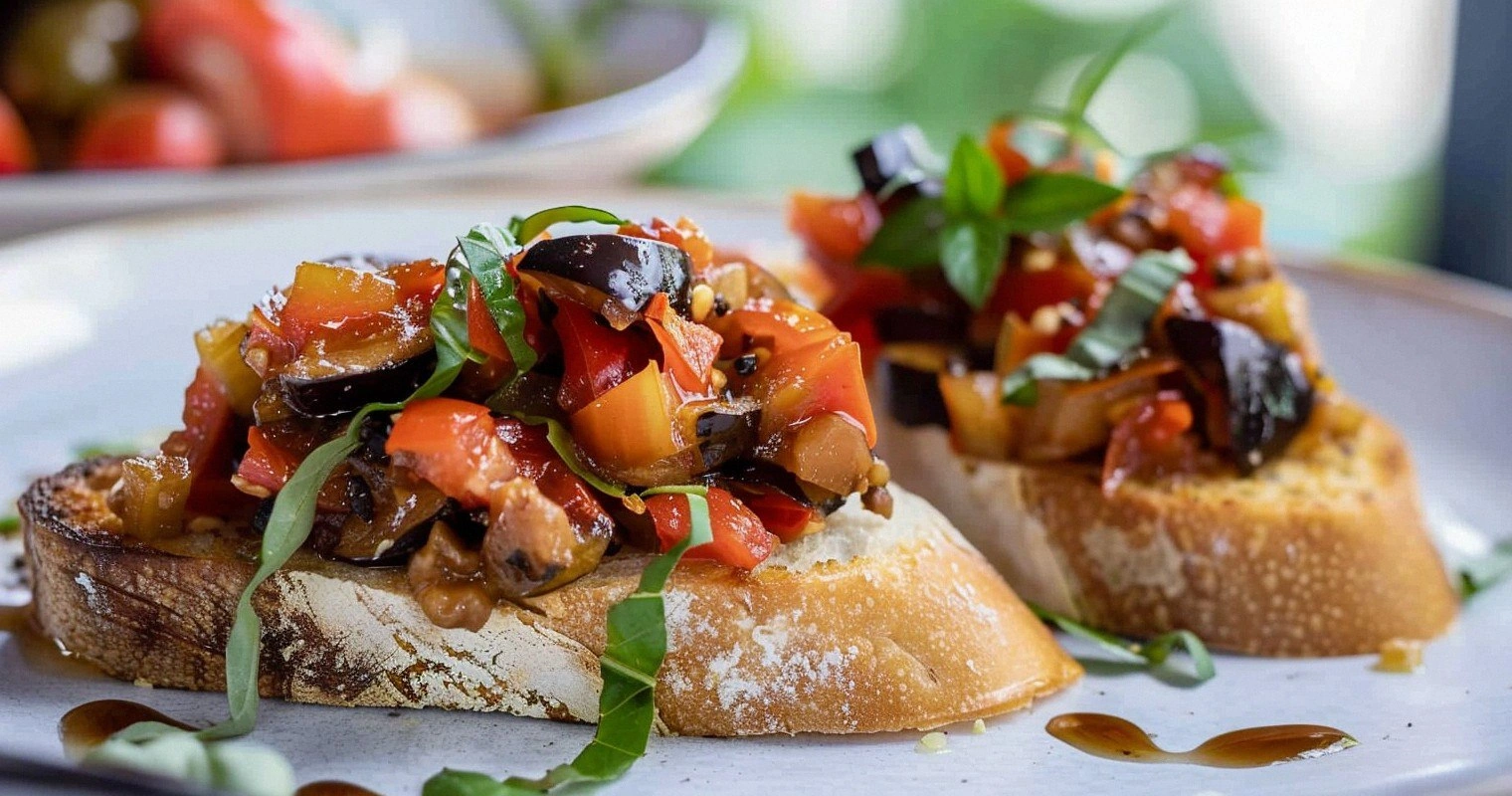
I still remember the day I declared war on every focaccia recipe that demanded I wake up at dawn, sacrifice my entire Saturday, and wait for three separate rises like some kind of bread monk. There I stood in my tiny kitchen at 2 PM on a Sunday, hangry guests arriving in four hours, staring at a recipe that needed "overnight fermentation" and "patience." Patience? I had eight hungry friends, zero patience, and a serious craving for that pillowy, olive oil-soaked Italian magic. That's when I decided to break all the rules and create a focaccia that goes from zero to hero in one afternoon — no overnight waits, no complicated techniques, just pure, carby perfection that would make Nonna weep tears of joy.
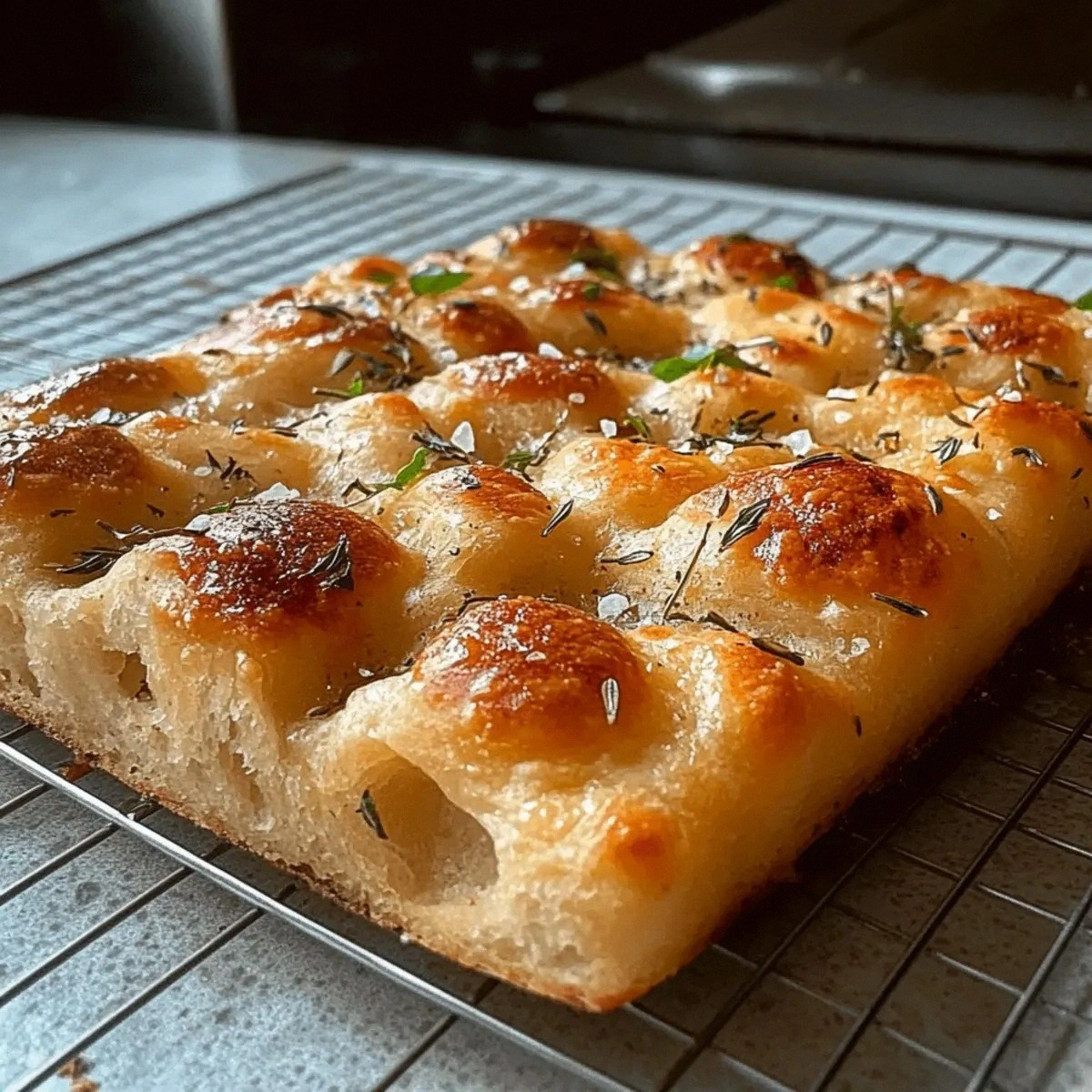
Picture this: golden crust that crackles like a campfire when you bite into it, interior so fluffy it could double as a cloud substitute, and those signature dimples catching pools of fragrant olive oil like tiny edible lakes. The aroma wafting through your kitchen will have neighbors knocking on your door with sad puppy eyes, and you'll be the kind of person who casually whips up fresh bread on a Tuesday because why not? This isn't just another bread recipe — this is your new party trick, your comfort food ace in the hole, your "I actually have my life together" evidence.
Most focaccia recipes treat time like it's some precious commodity we all have in spades, calling for elaborate schedules that would make a Swiss train conductor sweat. They'll tell you good bread can't be rushed, that flavor needs time to develop, that you're basically asking for mediocrity if you want same-day results. Well, I call shenanigans on the whole operation. After months of testing (and eating my weight in experimental focaccia), I've cracked the code on a method that delivers all the flavor, all the texture, and all the bragging rights in under four hours. No starter to babysit, no overnight commitment, no bread-baking degree required.
Let me walk you through every single step — by the end, you'll wonder how you ever made it any other way.
What Makes This Version Stand Out
Lightning Fast: While traditional focaccia demands you plan your life around its schedule, this version respects your time and your cravings. We're talking from flour to finished in under four hours, with most of that being hands-off rising time where you can binge Netflix, solve world peace, or just stare at the wall contemplating your excellent life choices.
Beginner-Proof: If you can stir a spoon and turn on an oven, you can make this focaccia. There's no kneading until your arms fall off, no confusing windowpane tests, and no anxiety about whether your dough is "smooth and elastic" or just a blob having an identity crisis.
Flavor Bomb: Most quick breads taste like, well, quick bread — flat, boring, and obviously rushed. This one uses a clever fermentation hack that develops complex, nutty flavors that'll have people swearing you started it yesterday. The secret lies in the sugar-yeast relationship that creates deeper flavors in record time.
Texture Heaven: We're achieving that perfect balance of crispy edges and cloud-soft interior that makes focaccia addictive. The high olive oil content isn't just for flavor — it creates those signature crispy bubbles and prevents the dreaded dry, cardboard texture that ruins so many homemade breads.
Pantry Friendly: No specialty flours, no obscure ingredients you'll use once and forget in your pantry for three years. Everything you need is probably in your kitchen right now, making this the ultimate spontaneous baking project for those "I need carbs immediately" moments.
Crowd Magnificent: This recipe makes enough to feed six hungry humans or eight polite ones, and it disappears faster than free samples at Costco. I've seen grown adults fight over the last corner piece, which gets the most caramelized edges and deserves its own fan club.
Endlessly Adaptable: Once you master the base, you can turn it into everything from rosemary-sea salt perfection to sun-dried tomato and olive party bread. It's like the little black dress of the bread world — classic on its own, stunning with accessories.
Inside the Ingredient List
The Flavor Foundation
Active dry yeast is the unsung hero of this operation, and here's where most recipes go wrong — they treat it like an afterthought. Your yeast needs to be fresh (check those expiration dates, people) and properly activated in water that's warm but not hot. Think comfortable bath temperature, not lobster-cooking hot. When it starts to foam and smell like a brewery, you know you've got living yeast ready to work its magic. Skip this step or rush it, and you'll end up with a dense, sad bread that tastes like disappointment.
Olive oil isn't just a supporting character in this story — it's basically the lead actor, director, and producer all rolled into one. Use the good stuff here, not that bargain bottle that's been sitting above your stove since 2019. Fresh, fruity olive oil creates those signature crispy edges and infuses every bite with Mediterranean sunshine. The quarter cup in the dough plus the generous glug on top isn't an accident — it's insurance against dry bread and a guarantee of that authentic Italian bakery flavor.
The Texture Architects
All-purpose flour might seem boring compared to fancy bread flours, but it's actually your secret weapon for approachable focaccia. Bread flour can make focaccia too chewy, like you're eating a delicious but confusing hybrid between bread and bubble gum. All-purpose gives you that perfect tender crumb that melts in your mouth while still having enough structure to hold those glorious olive oil pools. Make sure it's fresh flour — rancid flour will ruin everything and you'll never know why your bread tastes like a cardboard box.
Salt isn't just for taste (though under-salted bread is a crime against humanity). It strengthens the gluten network, controls yeast fermentation, and brings out the subtle nuttiness in the flour. I use fine sea salt because it dissolves evenly throughout the dough, preventing those unpleasant salty surprises that make your guests' eyes water. Don't even think about skipping or reducing it — this isn't a health food blog, and your taste buds deserve better.
The Unexpected Game-Changers
Warm water might seem straightforward, but the temperature is crucial for same-day success. Too cool and your yeast takes a nap instead of a vigorous fermentation sprint. Too hot and you've committed yeast genocide. I aim for 105-110°F, which feels warm to your finger but doesn't make you yank it away like you're testing a hot stove. A simple kitchen thermometer takes the guesswork out and prevents the heartbreak of dead dough.
Sugar feeds your yeast like you're carbo-loading a marathon runner before race day. It jumpstarts fermentation and helps develop those complex flavors that usually take hours to achieve. The teaspoon here isn't enough to make the bread sweet — it's purely functional, like yeast steroids (legal ones). Honey works too if you're out of sugar, but granulated dissolves faster and more evenly.
The Final Flourish
Fresh herbs transform good focaccia into legendary focaccia, and rosemary is the classic choice for a reason. Those pine-scented needles release aromatic oils that perfume the entire loaf, creating that authentic Italian bakery smell that makes people weak in the knees. Strip the leaves off woody stems and chop them roughly — too fine and they'll burn, too big and they'll fall off. Other herbs work too, but rosemary's resinous quality holds up to high heat better than delicate herbs like basil or cilantro.
Sea salt for finishing isn't optional — it's the difference between amateur and artisan. Those crunchy flakes on top provide textural contrast and bursts of salinity that make each bite interesting. Regular table salt dissolves and disappears, but sea salt flakes stay intact, creating little salty explosions that keep you coming back for "just one more bite" until the entire pan is mysteriously empty.
The Method — Step by Step
- Start by warming your bowl with hot water, then dump it out and add your cup of warm water. Sprinkle the yeast over the surface like you're feeding fish, then add the sugar and give it a gentle stir. Now walk away for 10 minutes — seriously, resist the urge to hover. When you return, it should look like a foamy beer with a yeasty smell that makes you want to open a bakery. If it's flat and sad, your yeast is dead and you need to start over with fresher yeast.
- Dump in 2 cups of flour, the salt, and 2 tablespoons of olive oil. Stir with a wooden spoon until it forms a shaggy mess that looks like it could never become bread. This is normal — dough always goes through an awkward teenage phase before becoming beautiful. The mixture should be sticky and rough, like thick oatmeal with flour pockets. Don't add more flour yet, even though your brain is screaming that this can't possibly be right.
- Now add the remaining cup of flour gradually, about 1/4 cup at a time, stirring between additions. You're looking for the dough to come together but still be tacky — think post-it note sticky, not superglue sticky. Depending on your flour and humidity, you might need slightly less or more, so trust your instincts over measurements. The dough should clean the sides of the bowl but still stick to your fingers when you poke it.
- Cover the bowl with plastic wrap or a damp towel and park it in a warm spot. I turn my oven on for exactly 1 minute, then turn it off and put the bowl inside — it creates the perfect cozy environment. Let it rise for 45 minutes to an hour, until it's doubled in size and looks like it's trying to escape the bowl. During this time, your kitchen will start smelling like a bakery and your family will start asking what's for dinner.
- While the dough rises, prepare your pan — and this is where most people mess up. Pour a generous 2-3 tablespoons of olive oil into a 9x13 pan and tilt it around to coat every surface. The oil should pool in the corners like tiny golden lakes. This isn't just to prevent sticking — it's creating that signature crispy bottom that makes bakery focaccia addictive. Don't be shy here; that oil is flavor and texture insurance.
- When the dough is ready, dump it into your oiled pan. Don't punch it down like other recipes tell you — we want to keep those precious air bubbles. Using oiled fingers, gently stretch and press the dough toward the corners. It'll resist like a stubborn teenager, but keep at it. If it keeps springing back, let it rest for 5 minutes and try again — gluten needs time to relax.
- Once the dough fills the pan (or mostly fills it — close enough is good enough), dimple it with your fingers. Press straight down until you feel the pan bottom, but don't tear through. These dimples should be deep enough to catch olive oil but not so deep they create holes. Think of it as giving your dough an acupuncture treatment — therapeutic and necessary for proper baking.
- Pour another 2-3 tablespoons of olive oil over the top — yes, it's a lot, but this is what creates those crispy bubbles and prevents dryness. The oil should pool in the dimples like tiny golden ponds. Sprinkle generously with sea salt and fresh rosemary, pressing herbs gently into the dough so they don't fall off during baking. Now cover it loosely and let it rise again for 20-30 minutes while your oven preheats to 425°F.
- Bake for 20-25 minutes, rotating halfway through, until the top is golden brown and the edges are pulling away from the pan. The kitchen should smell like an Italian grandmother's house, and you'll see olive oil bubbling around the edges like a delicious hot spring. When you tap the top, it should sound hollow — that's your doneness cue. Cool for at least 10 minutes before slicing, though good luck waiting that long.
Insider Tricks for Flawless Results
The Temperature Rule Nobody Follows
Here's the thing about water temperature — it can make or break your entire bread in ways you won't discover until it's too late. Too hot (over 115°F) and you've essentially made yeast tea, killing your microscopic workers before they can even clock in. Too cold and they'll work so slowly that your dough rises like a sloth on sedatives. I use a thermometer for the first few tablespoons, then test with my finger — it should feel warm and comfortable, not hot. If you wouldn't bathe a baby in it, don't make your yeast swim in it.
Why Your Nose Knows Best
Forget timers — your nose is the most accurate doneness indicator you own. When focaccia is perfectly baked, your kitchen fills with the smell of toasted olive oil and nutty bread that makes stomachs growl from three rooms away. If you can smell it in the living room, it's probably done. That aroma signals the Maillard reaction working its magic, creating hundreds of flavor compounds that make bread taste like more than just toasted flour. Trust your senses over the clock every time.
The 5-Minute Rest That Changes Everything
After the first rise, your dough is full of gas and enthusiasm but also stressed gluten that needs to chill out. Letting it rest for just 5 minutes before shaping makes the difference between dough that stretches gracefully and dough that fights back like it's defending its honor. This relaxation time allows the gluten strands to realign, making the dough more extensible and easier to work with. Skip this step and you'll be wrestling with stubborn dough that springs back faster than a cheap screen door.
The Oil Pool Strategy
That pool of olive oil in your pan isn't just for preventing sticking — it's creating the signature crispy bottom that makes bakery focaccia addictive. The oil essentially fries the bottom of the bread as it bakes, creating a texture that's simultaneously crispy and tender. Don't be tempted to reduce the amount or you'll end up with dry, sad focaccia that tastes like it has something to prove. The oil should be deep enough to create bubbles and crispiness but not so deep that your bread is swimming.
The Finger Dimple Depth Guide
Those signature dimples aren't just decorative — they're functional air pockets that prevent the bread from puffing up like a giant pillow. The key is pressing deep enough to feel the pan bottom, but not so deep that you create holes through the dough. Think of it as giving your dough a firm massage — therapeutic pressure that releases tension without causing injury. If oil pools in the dimples during baking, you've nailed it. If they disappear, you didn't press deep enough.
The Cooling Conspiracy
I know, I know — hot bread is irresistible and your house smells like heaven and everyone is hovering like vultures. But cutting into hot focaccia is like opening Christmas presents before Christmas morning — technically possible but ultimately disappointing. The bread needs time to set its structure and redistribute moisture. Ten minutes of patience rewards you with clean cuts and a texture that's set rather than gummy. Use this time to pour wine, set the table, or practice your humble "oh, this old thing?" response to compliments.
Creative Twists and Variations
This recipe is a playground. Here are some of my favorite ways to switch things up:
Mediterranean Sunset Focaccia
Replace the rosemary with a mix of chopped sun-dried tomatoes, Kalamata olives, and crumbled feta cheese pressed into the top before baking. The salty olives and tangy tomatoes create little flavor bombs in each bite, while the feta gets golden and crispy on top. Drizzle with a balsamic reduction after baking for that restaurant-quality finish that makes people think you trained in Italy.
Everything Bagel Focaccia
Skip the herbs and instead press everything bagel seasoning into the top with abandon. The combination of sesame, poppy, onion, and garlic flavors transforms your Italian bread into the best everything bagel you've never had. Serve with cream cheese and smoked salmon for a brunch that will make your friends cancel their Sunday plans and move into your guest room permanently.
Garlic Parmesan Cloud Bread
Mince four cloves of garlic and mix with olive oil, then brush this liquid gold over the top before baking. Shower with freshly grated Parmesan cheese and cracked black pepper. The garlic roasts into sweet, mellow perfection while the cheese creates a crispy, savory crust that tastes like the best garlic bread evolved into its final form.
Hot Honey and Thief Focaccia
Fresh thyme instead of rosemary, plus a drizzle of hot honey right when it comes out of the oven. The sweet-spicy combination with the herbaceous thyme creates this sophisticated flavor profile that tastes like you paid way too much for it at a fancy restaurant. It's particularly addictive with cheese and charcuterie boards.
Tomato and Burrata Dream
Press halved cherry tomatoes into the top before the second rise, cut-side up. After baking, tear apart fresh burrata and scatter it over the warm bread with fresh basil. The tomatoes roast into concentrated flavor bombs, and the burrata melts into creamy pockets that make grown adults close their eyes and sigh contentedly.
Spicy Soppressata and Olive
Layer thin slices of soppressata on top before baking, pressing them gently into the dough. Add oil-cured olives and a sprinkle of red pepper flakes for a focaccia that tastes like a party in Naples. The cured meat crisps up like the world's most sophisticated pepperoni, creating a flavor that's bold, salty, and utterly addictive.
Storing and Bringing It Back to Life
Room Temperature Storage
Wrap cooled focaccia tightly in plastic wrap or store in an airtight container at room temperature for up to 2 days. The olive oil helps keep it moist, but it will start to stale after the first day. Never refrigerate focaccia — cold temperatures will turn it dry and sad faster than you can say "Italian bakery." If your kitchen is particularly warm or humid, consider storing it in a bread box or cool pantry instead of the counter.
Freezer Friendly Method
Cut cooled focaccia into serving-size pieces and wrap each piece individually in plastic wrap, then aluminum foil. Freeze for up to 2 months — any longer and it starts to develop freezer burn that affects the delicate olive oil flavor. To reheat, thaw at room temperature for 30 minutes, then warm in a 350°F oven for 8-10 minutes until heated through and crispy again. The key is not over-heating, which can dry out all that precious olive oil.
Best Reheating Technique
Forget the microwave — it turns focaccia into a rubbery, chewy disaster that tastes like disappointment. Instead, wrap pieces in foil with a tiny splash of water (literally just a teaspoon) and warm in a 350°F oven for 8-10 minutes. The water creates steam that refreshes the bread without making it soggy, while the foil prevents over-browning. For extra crispy edges, open the foil for the last 2 minutes of heating.