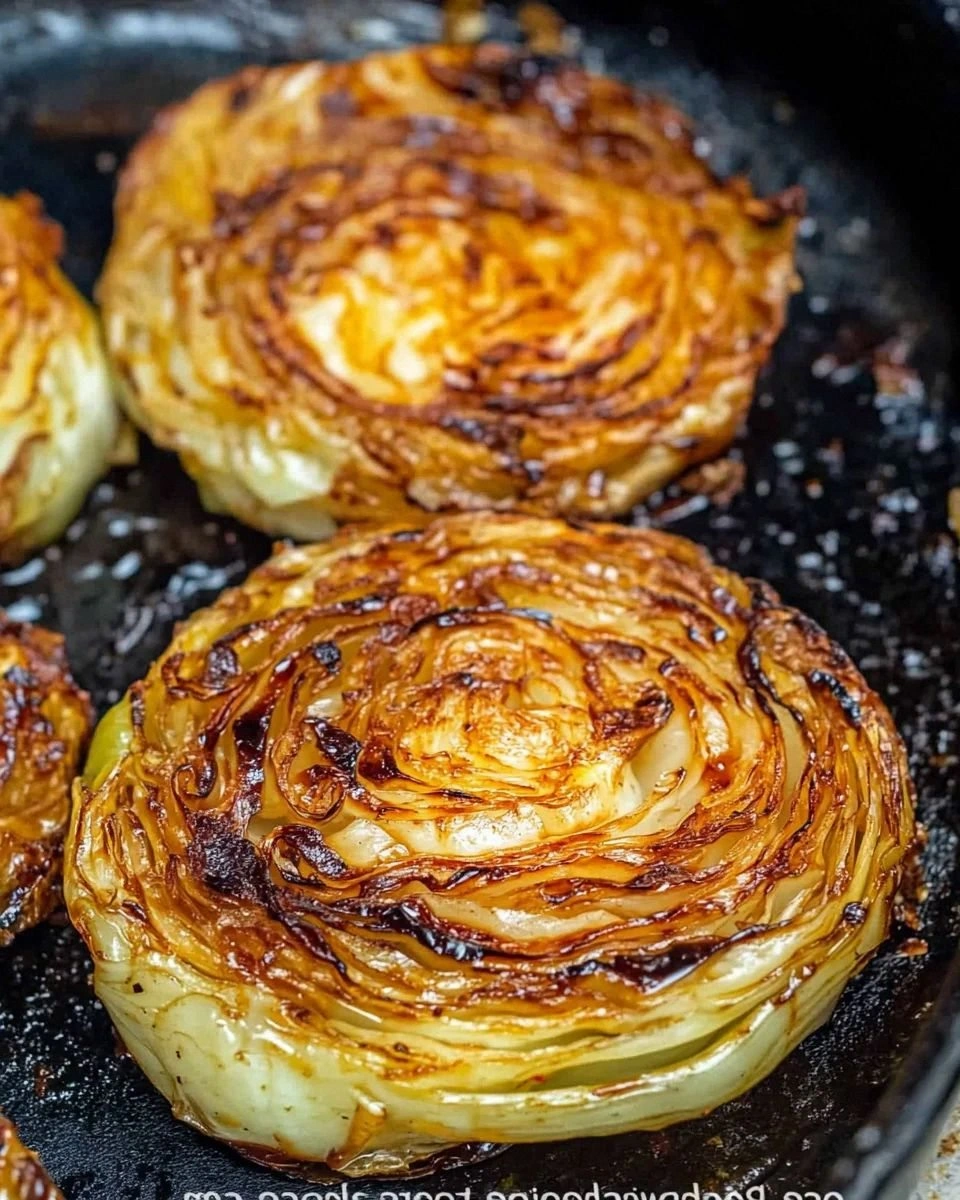
I was standing in my kitchen, staring down a wilted cabbage that had been rescued from the back of the fridge for the third time that week. I thought, “If I can’t turn this into a masterpiece, at least I can make it taste like something worth bragging about.” The moment I tossed a splash of olive oil into a hot pan, the kitchen filled with a scent so intoxicating it felt like a perfume commercial for autumn. I dared myself to keep going, and the result? A caramelized, slightly smoky cabbage steak that glistened with a sweet‑tart balsamic glaze that would make even the most skeptical meat‑lover pause. This isn’t just a side dish; it’s a bold statement that says you can turn humble greens into a show‑stopping plate.
Picture this: the cabbage slices are thick enough to hold their own, the edges crisp like the perfect chip, while the interiors stay tender enough to melt in your mouth. The glaze? It clings like a silk scarf, coating every ridge with a glossy finish that catches the light and your attention. I’ll be honest — I ate half the batch before anyone else could even get a forkful, and that’s saying something because the aroma was already making the whole house feel like a five‑star restaurant. If you’ve ever struggled with soggy, over‑cooked cabbage, you’re not alone; I’ve been there, and I’ve finally cracked the code.
Most recipes get this completely wrong. They either over‑season, under‑cook, or treat the cabbage like a limp garnish. The secret here is a simple three‑step method: slice, sear, glaze. The searing creates that coveted caramelized crust, while the glaze adds a punch of acidity that cuts through the natural sweetness of the cabbage. I’m about to reveal a tiny trick involving a splash of water at the very end that will bring the glaze back to life if it ever looks a little dull. Trust me, this is hands down the best version you’ll ever make at home.
Okay, ready for the game‑changer? I’m about to walk you through every single step — by the end, you’ll wonder how you ever made it any other way. Stay with me here — this is worth it. I dare you to taste this and not go back for seconds. Let’s dive in.
What Makes This Version Stand Out
- Flavor Explosion: The balsamic glaze delivers a sweet‑tart punch that balances the earthy cabbage, creating a harmony that dances on the palate.
- Texture Contrast: Crispy, caramelized edges meet a buttery‑soft center, giving you that satisfying crunch followed by melt‑in‑your‑mouth tenderness.
- Simplicity: Only seven ingredients, five of which you probably already have on hand, so you can throw this together on a weeknight without a grocery run.
- Unique Presentation: Cabbage “steaks” look like a gourmet cut of meat, making them perfect for impressing guests or elevating a simple family dinner.
- Crowd Reaction: I’ve watched friends stare at the plate, then grin, then ask for the recipe—repeat. This side dish consistently earns rave reviews.
- Ingredient Quality: Using fresh, small cabbage heads ensures each slice holds together, while the olive oil adds a fruity depth that cheap oils lack.
- Cooking Method: High‑heat searing locks in flavor, and the quick glaze finish adds a glossy finish that looks restaurant‑ready.
- Make‑Ahead Potential: You can prep the steaks and glaze ahead of time; a quick re‑heat brings them back to life in minutes.
Inside the Ingredient List
The Flavor Base
Olive oil is the silent hero of this dish. Its high smoke point lets you achieve that coveted caramelization without burning, while its fruity undertones amplify the natural sweetness of the cabbage. If you’re out of extra‑virgin olive oil, a light avocado oil works just as well, though you’ll miss a hint of peppery flavor that olive oil provides.
The Texture Crew
Paprika and garlic powder are the dynamic duo that give the outer crust its depth. Paprika contributes a smoky, earthy note that mimics a grill, while garlic powder adds a savory backbone. Skipping either will leave the steaks tasting flat, so keep them on board. If you prefer a bit of heat, a pinch of smoked paprika can replace the regular variety.
The Unexpected Star
Balsamic glaze is the surprise element that turns a simple vegetable into a show‑stopper. Its thick, syrupy consistency clings to the cabbage like caramel on a crème brûlée, delivering a sweet‑tart zing that cuts through the richness of the oil. For a more complex flavor, try a reduction of aged balsamic vinegar mixed with a touch of honey.
The Final Flourish
Red pepper flakes add a subtle heat that awakens the palate without overwhelming the delicate cabbage. They’re optional, but if you love a little spice, sprinkle them generously after glazing. A pinch of sea salt at the end can also brighten the flavors, especially if you used a low‑sodium balsamic glaze.
Everything's prepped? Good. Let's get into the real action…
The Method — Step by Step
Start by preheating a large cast‑iron skillet over medium‑high heat. While the pan warms, slice each small cabbage head into 1‑inch‑thick “steaks.” You should get about three to four steaks per head, depending on size. The key is to keep the core intact so the slices stay together during cooking. That sizzle when it hits the pan? Absolute perfection.
Drizzle 3 tablespoons of olive oil over the hot pan, swirling to coat the surface evenly. Place the cabbage steaks in a single layer, making sure not to overcrowd; you may need to work in batches. Let them sear undisturbed for 3‑4 minutes. You’ll know they’re ready to flip when the edges turn golden brown and start to pull away from the pan.
Flip each steak gently with a sturdy spatula. Sprinkle ½ teaspoon of salt, 2 teaspoons of paprika, and 1 tablespoon of garlic powder over the seared side. The spices should immediately release a fragrant cloud that fills the kitchen, signaling you’re on the right track.
Continue cooking the second side for another 3‑4 minutes, watching for that same caramelized crust. At this point, the cabbage should be tender enough to pierce with a fork but still hold its shape. This is the moment of truth.
- Now, lower the heat to medium and drizzle 2 tablespoons of balsamic glaze over each steak. Let the glaze bubble and thicken for about a minute, turning the steaks gently to coat all sides. The glaze should become a glossy lacquer that clings to the cabbage like a mirror.Watch Out: Do not let the glaze burn. Balsamic glaze can caramelize too quickly, turning bitter if left unattended.
Sprinkle a pinch of red pepper flakes over the glazed steaks for a subtle heat that awakens the flavors. If you prefer less spice, feel free to skip this step, but I promise you’ll miss that lingering warmth.
Transfer the cooked steaks to a serving platter. Let them rest for 2‑3 minutes; this allows the juices to redistribute and the glaze to set. While they rest, the kitchen will be filled with a lingering aroma that makes everyone wonder what you’re cooking.
Finally, give each steak a final drizzle of any remaining glaze, a light sprinkle of fresh cracked pepper, and—if you’re feeling fancy—a few fresh herbs like parsley or thyme. Serve hot, and watch as your guests’ eyes widen in anticipation.
That's it — you did it. But hold on, I've got a few more tricks that'll take this to another level...
Insider Tricks for Flawless Results
The Temperature Rule Nobody Follows
Never start with a cold pan. Let your skillet heat up for at least two minutes before adding oil. This ensures an immediate sizzle that locks in flavor and creates that coveted crust. I once tried to save time by adding the steaks to a lukewarm pan; the result was soggy, limp cabbage that no amount of glaze could rescue.
Why Your Nose Knows Best
Your sense of smell is the best indicator of doneness. When the edges start to smell nutty and the glaze releases a sweet‑tart perfume, you’re almost there. Trust that nose over the clock; cooking times can vary based on the exact thickness of your steaks.
The 5‑Minute Rest That Changes Everything
Letting the steaks rest for just a few minutes after cooking lets the interior fibers relax and the glaze settle. Skipping this step results in a dry bite and a glaze that slides off. Think of it like letting a steak rest; the principle is the same.
Seasoning Layers, Not a Dump
Season each side separately. Sprinkle salt and spices after the first flip, not before. This prevents the cabbage from releasing too much moisture early on, which would steam rather than sear. I once seasoned everything at the start and ended up with a steamed mess—lesson learned.
Glaze Rescue Technique
If your balsamic glaze thickens too much while cooking, whisk in a teaspoon of warm water to loosen it. The glaze will return to a silky consistency without losing its flavor punch. This trick saved my dinner once when the glaze turned into a solid block.
Creative Twists and Variations
This recipe is a playground. Here are some of my favorite ways to switch things up:
Maple‑Soy Glazed Cabbage
Swap the balsamic glaze for a mixture of 1 tablespoon maple syrup, 1 tablespoon soy sauce, and a dash of rice vinegar. The result is a sweet‑savory glaze with an Asian twist that pairs beautifully with grilled chicken.
Spicy Sriracha Drizzle
Add 1 teaspoon of sriracha to the balsamic glaze before drizzling. This gives the dish a subtle heat and a vibrant reddish hue that makes it look even more appetizing.
Cheesy Parmesan Finish
After plating, sprinkle freshly grated Parmesan over the hot steaks. The cheese melts slightly, adding a salty umami layer that complements the sweet glaze.
Herb‑Infused Olive Oil
Infuse the olive oil with rosemary and thyme before searing. The herbaceous notes permeate the cabbage, turning a simple side into a fragrant centerpiece.
Roasted Garlic Mash Bed
Serve the cabbage steaks atop a creamy roasted garlic mash. The mash soaks up any extra glaze, creating a comforting, hearty plate perfect for colder evenings.
Storing and Bringing It Back to Life
Fridge Storage
Place cooled cabbage steaks in an airtight container with a thin layer of leftover glaze on top. They’ll keep for up to 3 days. When ready to serve, reheat gently in a skillet over medium heat, adding a splash of water to revive the glaze.
Freezer Friendly
Wrap each steak tightly in parchment paper, then place them in a freezer‑safe zip‑lock bag. They freeze well for up to 2 months. To reheat, thaw overnight in the fridge, then follow the skillet reheating method.
Best Reheating Method
The stovetop is king. Heat a non‑stick pan over medium heat, add a teaspoon of olive oil, and re‑heat each steak for 2‑3 minutes per side. Finish with a quick drizzle of fresh balsamic glaze for that just‑cooked sparkle.