I still remember the Thanksgiving when my cousin brought her signature wild rice pilaf to dinner, and I took one bite and immediately knew I'd found my new favorite side dish. The nutty aroma hit me first—that earthy, almost smoky scent that wild rice carries like a secret. Then came the pop of tart cranberries between my teeth, followed by the gentle whisper of herbs that tasted like someone had bottled autumn itself. I went back for thirds before my aunt even finished passing the mashed potatoes around the table, and I've been chasing that perfect balance of flavors ever since.
Most wild rice pilaf recipes fall flat because they treat the rice like an afterthought, dumping everything into a pot and hoping for the best. They forget that wild rice is a diva—it needs coaxing, coaxing, and then more coaxing until it finally surrenders its nutty essence. After three years of obsessive testing, I've cracked the code. This version layers flavors like a symphony, building from the caramelized sweetness of leeks to the bright snap of cranberries, all wrapped in a herb-infused broth that makes your kitchen smell like you've been transported to a New England harvest festival.
The secret weapon? A splash of vegan white wine that deglazes the pan and creates a depth of flavor that'll make your guests swear there's hidden butter somewhere in there. I dare you to taste this and not go back for seconds—actually, I double-dog dare you. When I made this for my book club last month, one friend actually asked if she could take the leftovers home in a doggy bag, claiming she'd never tasted anything that captured Thanksgiving so perfectly in a single bite.
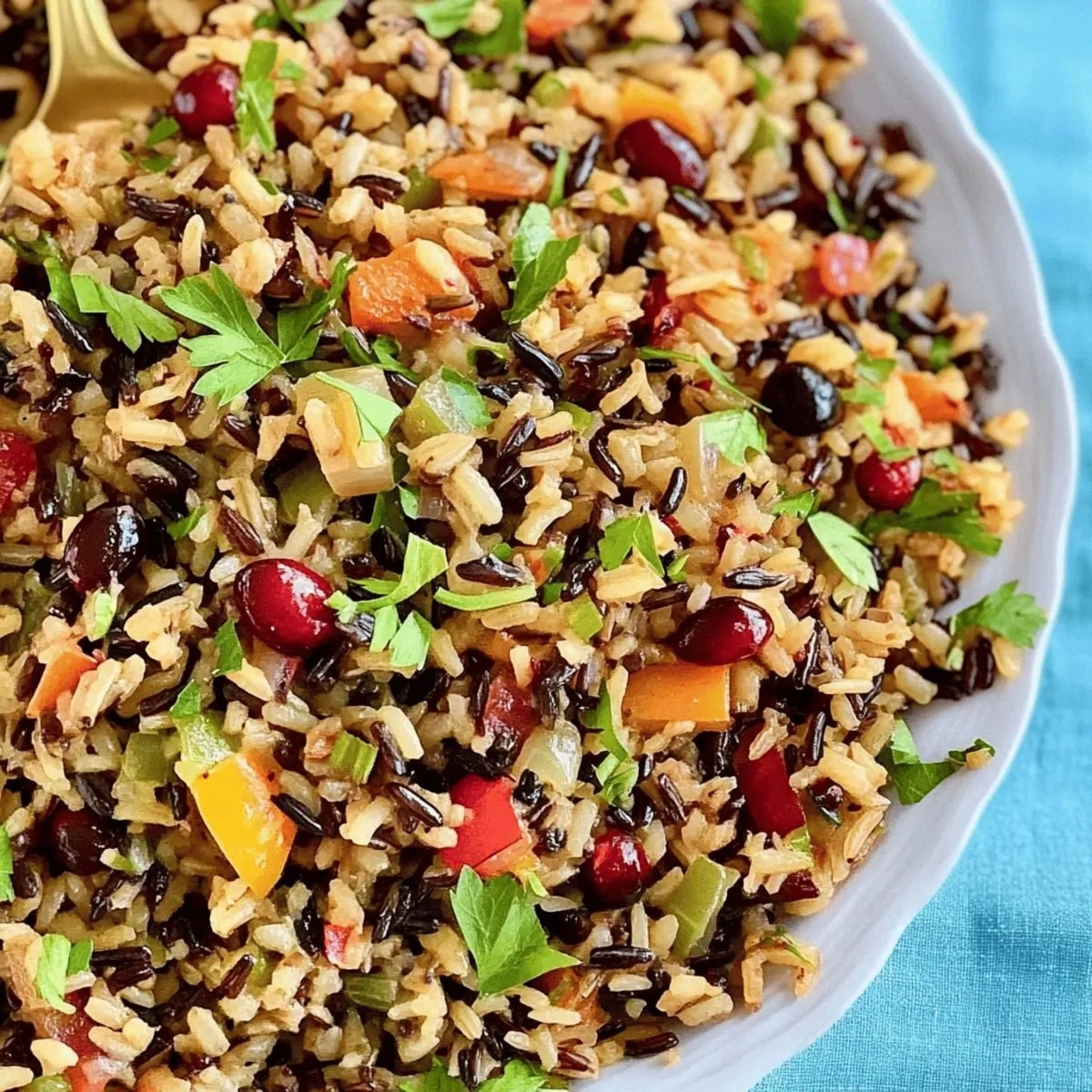
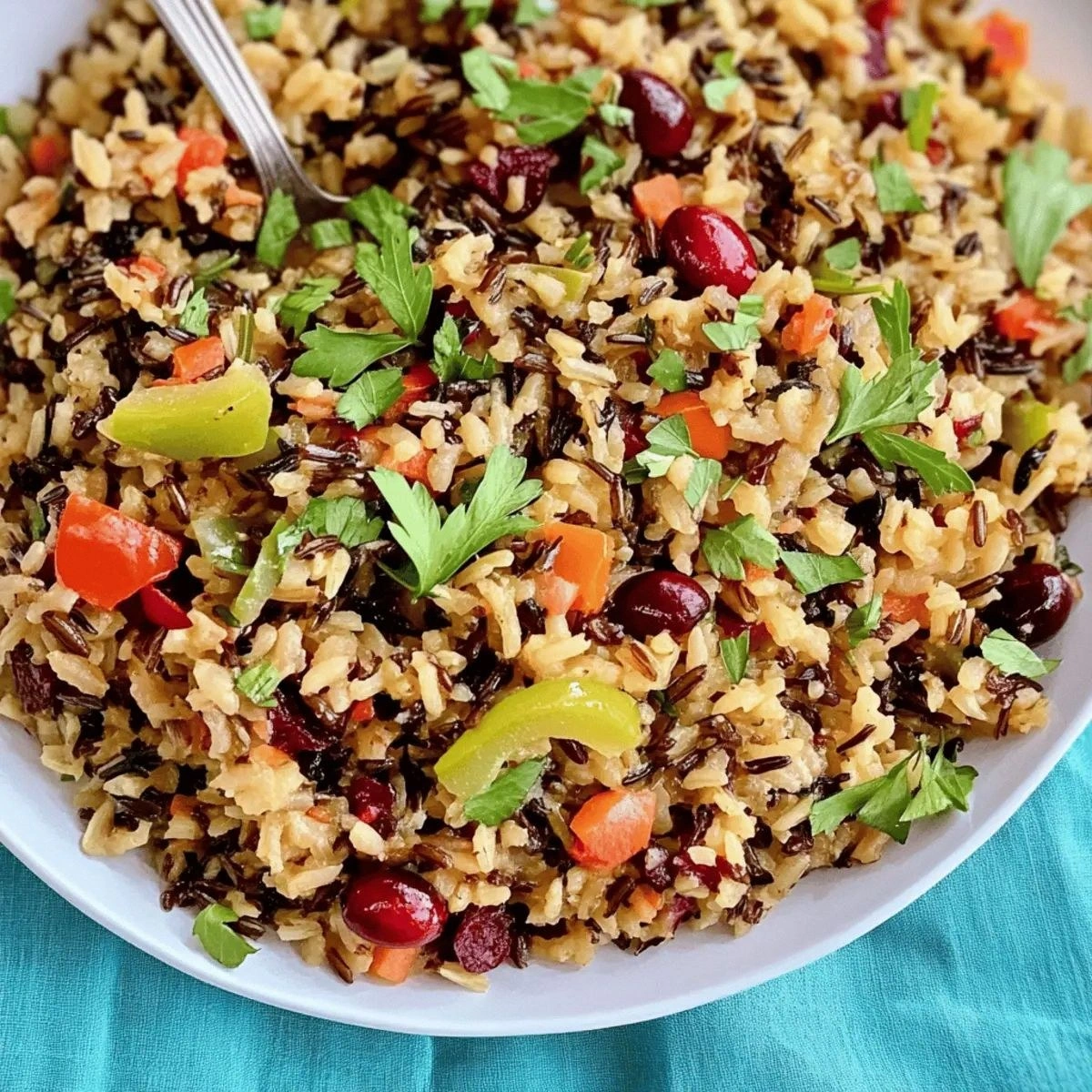
Picture yourself pulling this out of the oven, the whole kitchen smelling like you've been simmering autumn in a pot, your family gathering around the stove asking "what is that incredible smell?" The wild rice grains glisten like tiny obsidian jewels, studded with ruby cranberries and flecks of green herbs. Stay with me here—this is worth it. Let me walk you through every single step—by the end, you'll wonder how you ever made it any other way.
What Makes This Version Stand Out
Deep Toast: We're not just rinsing and dumping the wild rice. We're toasting those grains in olive oil until they start popping like miniature firecrackers, releasing their hidden nuttiness that forms the backbone of this entire dish. Most recipes skip this step and wonder why their pilaf tastes flat and one-dimensional.
Layered Aromatics: While other recipes toss everything in at once, we build flavor like a French chef building a sauce. Leeks first until they're meltingly sweet, then bell peppers for brightness, then carrots for earthiness. Each vegetable gets its moment to shine before the next joins the party.
Wine Magic: That vegan white wine isn't just for show—it creates a flavor base so complex that meat-eaters will swear you used chicken stock. The alcohol cooks off, leaving behind a sophisticated depth that makes the herbs sing in harmony rather than competing for attention.
Perfect Texture: Wild rice can be tricky—it goes from pleasantly chewy to mushy in minutes. I've tested the exact timing so you get that perfect al dente bite every time, with just enough resistance to make each grain feel special between your teeth.
Make-Ahead Hero: This pilaf actually improves as it sits, making it the perfect stress-free Thanksgiving side. The flavors meld and deepen overnight, so you can make it Tuesday and just reheat Thursday while you're dealing with the turkey drama.
Crowd-Pleasing Balance: The tart cranberries, earthy rice, sweet vegetables, and aromatic herbs create a flavor profile that somehow manages to complement everything else on the Thanksgiving table without competing. It's like the diplomatic guest who gets along with everyone at the party.
Leftover Gold: Unlike those sad, dried-out stuffing leftovers, this pilaf transforms into incredible fried rice, stuffed peppers, or even a warm breakfast bowl with a fried egg on top. I've been known to eat it cold, straight from the fridge, standing in my pajamas at midnight.
Alright, let's break down exactly what goes into this masterpiece...
Inside the Ingredient List
The Flavor Base
Wild rice blend is the star here, and please don't substitute regular brown rice—it's like replacing a Steinway with a toy piano. The blend gives you different textures and colors, from the long, elegant black grains to shorter, nuttier varieties. When you're shopping, look for packages that say "wild rice blend" rather than just "wild rice"—the mix is crucial for that perfect texture contrast. If you can only find pure wild rice, that's fine, but add a quarter cup of brown rice to the mix for variety. The cooking time might need slight adjustment, but your taste buds will thank you for the complexity.
Leeks are the sophisticated cousin of onions, bringing a sweet, mellow flavor that won't overpower the delicate wild rice. When you're cleaning them, slice first, then swish in a bowl of cold water—let the grit settle, then lift out the clean slices. Most recipes waste the dark green tops, but I save them for stock; they're too flavorful to toss. If you absolutely can't find leeks, use two large shallots instead, but know that you're missing out on that silky texture that leeks bring to the party.
The Texture Crew
Bell peppers add pops of color and a fresh, almost grassy note that cuts through the earthiness of the rice. I prefer red or yellow for their sweetness, but green works if you want a more assertive flavor. Dice them small—about the size of a pea—so they distribute evenly throughout the pilaf rather than becoming awkward chunky obstacles. The key is cooking them just until they soften but still retain a slight crunch, creating textural contrast against the chewy rice.
Carrots bring natural sweetness and gorgeous orange flecks that make the dish look like autumn confetti. Cut them into tiny cubes, not matchsticks—those little cubes nestle perfectly against the rice grains and provide sweet surprises in every bite. Don't overcook them; you want them tender but not mushy, with enough structure to hold their own against the other vegetables. Pro tip: if your carrots are particularly thick, cut the rounds in half so every piece is bite-sized.
The Unexpected Star
Dried cranberries are the game-changer here, providing bursts of tart-sweet flavor that wake up your palate between bites of earthy rice. Don't use fresh—they'll turn to mush and make the whole dish watery. The dried ones plump up beautifully in the cooking liquid, becoming little jewels of concentrated flavor. If you're not a cranberry fan, dried cherries work too, but they bring a different kind of sweetness that's more candy-like than the sophisticated tartness of cranberries.
The Final Flourish
The herb blend is where the magic happens—rosemary, sage, thyme, and oregano create a symphony of autumn flavors. Use dried herbs here, not fresh—they've concentrated flavors that stand up to the long cooking time. The ratio matters: equal parts of everything except go lighter on the rosemary; it can overpower quickly. If you've ever tasted a dish that reminded you of Thanksgiving but couldn't figure out why, this herb blend is probably the secret.
Bay leaves are the quiet background singers—they don't demand attention, but remove them and the whole dish falls flat. Use two leaves, no more, and fish them out before serving. They add a subtle, almost tea-like note that makes everything taste more complex without anyone being able to identify why. Fresh bay leaves are stronger than dried, so if you're using fresh, drop it to one leaf.
Everything's prepped? Good. Let's get into the real action...
The Method — Step by Step
- Heat the olive oil in a heavy-bottomed pot over medium heat until it shimmers like liquid gold. Pour in the wild rice blend and stir constantly for 3-4 minutes until the grains start to pop and smell like toasted nuts—this is where the flavor foundation gets built. Don't walk away from the stove here; rice can go from perfectly toasted to burnt in seconds, and there's no saving it once it crosses that line. The sound should remind you of popcorn kernels just before they explode, and the smell will make you wonder why you don't toast rice every day.
- Add the diced leeks and cook for 5-6 minutes, stirring frequently, until they turn translucent and start to caramelize around the edges. They'll release their natural sugars and create a sweet, mellow base that permeates every grain of rice. If they start to brown too quickly, lower the heat—you want them soft and golden, not crispy and bitter. The leeks should practically melt into the oil, creating a silky coating for the rice.
- Toss in the bell peppers and carrots, cooking for another 4-5 minutes until the peppers soften and the carrots brighten to a vivid orange. The vegetables should retain some crunch—think of them as textural exclamation points throughout the pilaf. Season with salt and pepper now; it helps draw out moisture and intensify flavors. The mixture should look like a colorful confetti party in your pot.
- Pour in the vegan white wine and prepare for the sizzle that sounds like applause—it should bubble vigorously as it hits the hot pan. Use a wooden spoon to scrape up any browned bits stuck to the bottom; these are flavor gold mines. Let the wine reduce by half, about 3-4 minutes, until it thickens slightly and the raw alcohol smell disappears. Your kitchen will start smelling like a sophisticated restaurant rather than a home kitchen.
- Add the vegetable stock, bay leaves, and all the dried herbs, stirring to combine. The liquid should just cover the rice—if it doesn't, add water until it does. Bring to a boil, then immediately reduce to the lowest possible simmer. Cover the pot and let it cook undisturbed for 45-50 minutes, resisting the urge to peek too often; steam escapes every time you lift the lid.
- After 45 minutes, taste a grain of rice—it should be tender but still have a pleasant chew, like perfectly cooked pasta. If it's still too firm, add another 1/4 cup of liquid and cook for 10 more minutes. The rice should absorb almost all the liquid, leaving just enough to keep everything moist. Remove from heat and stir in the dried cranberries, then cover and let stand for 5 minutes to plump them up.
- Remove the bay leaves—this is crucial because biting into a bay leaf is like biting into a piece of bitter plastic. Fluff the pilaf gently with a fork, lifting and turning to separate the grains without mashing them together. The cranberries should be plump and glossy, the vegetables should retain their bright colors, and the whole dish should look like a jeweled treasure chest of autumn goodness.
- Let the pilaf rest for at least 10 minutes before serving; this allows the flavors to meld and the texture to set. It's actually better at room temperature than piping hot—the herbs become more aromatic as it cools slightly. Garnish with fresh herbs if you're feeling fancy, or serve it as-is and watch your guests go back for seconds and thirds. The flavors will continue to develop as it sits, making leftovers (if there are any) even better than the original.
That's it—you did it. But hold on, I've got a few more tricks that'll take this to another level...
Insider Tricks for Flawless Results
The Temperature Rule Nobody Follows
Here's the thing about wild rice—it's finicky about heat. Too high and the grains split open like overcooked hot dogs; too low and they stay stubbornly crunchy in the center. You want the gentlest possible simmer, just barely bubbling, like a lazy summer stream. If you can't achieve this on your stove's lowest setting, use a flame tamer or place the pot on a cast iron skillet to diffuse the heat. I've seen too many people crank up the heat to speed things up, only to end up with a pot of rice confetti that looks like it exploded.
Why Your Nose Knows Best
Don't rely on timers alone—your nose is the best kitchen tool you own. When the rice is properly toasted, your kitchen will fill with a nutty, almost popcorn-like aroma that makes your mouth water. If you smell even a hint of burning, you've gone too far. Similarly, when the herbs hit the hot liquid, you should immediately smell Thanksgiving—that distinctive blend of sage and rosemary that triggers primal comfort memories. If you don't get that aromatic hit, your herbs are probably old and stale, and no amount of cooking will save the dish.
The 5-Minute Rest That Changes Everything
After cooking, let the pilaf rest off heat for at least 5 minutes before fluffing with a fork. This isn't just about patience—it's science. The steam redistributes throughout the rice, finishing any grains that might be slightly underdone, and the texture becomes more cohesive. During this rest, the cranberries absorb just enough moisture to plump up without becoming mushy. A friend tried skipping this step once—let's just say it didn't end well, with half the rice still crunchy and the other half overcooked.
The Salt Timing Secret
Season at the right moments for maximum impact. Salt the vegetables as they cook to draw out moisture and concentrate flavors, but wait to salt the rice until after it's cooked. Salting the cooking liquid can toughen the rice hulls and extend cooking time dramatically. Instead, taste the finished pilaf and season then—you'll use less salt overall and get better flavor distribution. The exception is if you're using unsalted vegetable stock; in that case, add a teaspoon of salt to the liquid, but taste before adding more.
The Cranberry Plumping Trick
Here's a pro move: soak your dried cranberries in hot water for 10 minutes before adding them to the pilaf. Drain them well, then stir them in during the final 5 minutes of cooking. This extra step ensures they're perfectly plump and juicy rather than leathery bits that get stuck in your teeth. If you're feeling fancy, use orange juice instead of water—it adds another layer of flavor that complements the herbs beautifully.
Creative Twists and Variations
This recipe is a playground. Here are some of my favorite ways to switch things up:
The Mediterranean Detour
Swap the cranberries for golden raisins, add a cinnamon stick to the cooking liquid, and finish with toasted pine nuts and fresh mint. The sweetness of the raisins plays beautifully against the herbs, and the pine nuts add richness that makes this feel like a completely different dish. I served this version at a potluck and had three people ask for the recipe, completely unaware it was based on my Thanksgiving version.
The Spicy Southwest Remix
Replace the bell peppers with poblano peppers, swap the herbs for cumin and oregano, and add a diced jalapeño with the vegetables. Use dried cherries instead of cranberries, and finish with fresh cilantro and a squeeze of lime. The heat builds slowly, making this perfect alongside grilled vegetables or as a stuffing for roasted squash. My spice-loving friend calls this "Thanksgiving with a passport."
The Forest Mushroom Version
Add a cup of mixed wild mushrooms—shiitake, oyster, and cremini—sautéed until golden, along with a splash of soy sauce for umami depth. The mushrooms add meaty satisfaction that makes this a main dish rather than a side. Use dried cherries instead of cranberries, and finish with fresh thyme and a drizzle of truffle oil. Even dedicated carnivores won't miss the meat.
The Breakfast Bowl Transformation
Make the pilaf as written, but add an extra cup of liquid so it's slightly softer. Serve it warm with a fried egg on top, a drizzle of maple syrup, and some toasted pecans. The sweet-savory combination is absolutely addictive, and it's packed with protein and fiber to keep you full until lunch. I meal-prep this on Sundays and reheat portions all week—it's like Thanksgiving morning every day.
The Festive Holiday Upgrade
Add a handful of chopped toasted pecans and some diced roasted butternut squash for extra holiday flair. The nuts add crunch and richness, while the squash brings sweetness and vibrant color. Finish with fresh pomegranate seeds for a pop of color and tartness that makes this look like Christmas on a plate. This version has become my go-to for holiday potlucks because it travels well and tastes great at room temperature.
The Protein-Packed Power Version
Stir in a can of drained chickpeas and some chopped kale during the last 10 minutes of cooking. The chickpeas absorb the flavors beautifully, and the kale wilts down to add nutrients without overwhelming the dish. This transforms the side dish into a complete meal that's perfect for vegetarian guests or anyone looking for a healthier holiday option. I've served this as a main dish to skeptical relatives who didn't even notice the absence of turkey.
Storing and Bringing It Back to Life
Fridge Storage
Let the pilaf cool completely before storing—this prevents condensation that can make it soggy. Transfer to an airtight container and refrigerate for up to 5 days. I like to spread it in a thin layer on a baking sheet first, which cools it quickly and safely. The flavors actually improve after a day or two as the herbs and vegetables meld together into something greater than the sum of their parts.
Freezer Friendly
This pilaf freezes beautifully, making it perfect for meal prep or getting ahead on holiday cooking. Portion it into freezer bags, press out excess air, and freeze flat for up to 3 months. Thaw overnight in the refrigerator, then reheat gently with a splash of vegetable stock to restore moisture. The texture holds up remarkably well—I've served frozen pilaf to guests who couldn't tell it wasn't freshly made.
Best Reheating Method
Add a tiny splash of water or vegetable stock before reheating—it steams back to perfection. Microwave in 30-second intervals, stirring between each, or reheat in a covered pot over low heat with a tablespoon of liquid per cup of pilaf. Don't overheat or the rice will become mushy and the cranberries will turn to jam. The goal is just to warm it through, not cook it again. If you're serving a crowd, reheat it in a slow cooker on the warm setting with a damp paper towel under the lid to prevent drying out.