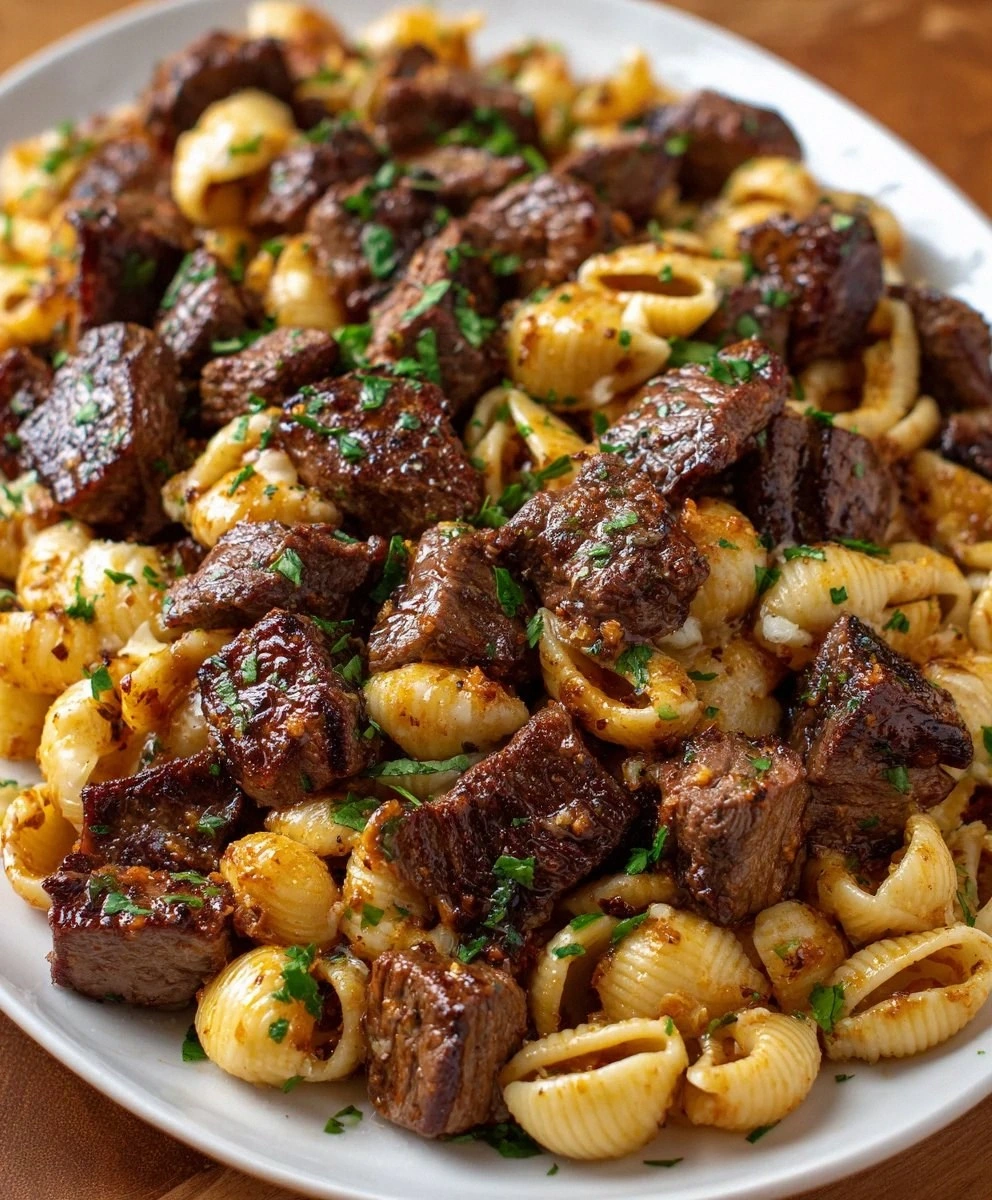
I'll be honest — I ate half the batch before anyone else got to try it. There I was, standing over my stove at 11:47 PM, fork in hand, hovering above a skillet that was supposed to feed four people. The Cajun spices hit my nose like a freight train of flavor, those perfectly seared steak bites were calling my name, and those shells? They'd transformed into little cheese-covered lifeboats of joy. My roommate walked in, caught red-handed with marinara sauce on my chin (wrong recipe, but the shame was the same), and just shook her head. "Again?" she asked. Listen, when something tastes this ridiculously good, social norms go out the window.
Picture yourself pulling this out of the oven, the whole kitchen smelling like a Louisiana bistro met an Italian grandmother and they decided to throw the most incredible dinner party. The sizzle when the steak hits that blazing hot pan? Absolute perfection. Those crispy edges that shatter like thin ice under your fork, revealing tender, juicy meat that's been kissed by Cajun spices and wrapped in a garlic-butter embrace. Most recipes get this completely wrong — they either drown the steak in sauce until it's mushy, or they serve up bland, tough cubes that could double as hockey pucks. Here's what actually works.
The first time I attempted something similar, I created what can only be described as a crime scene. Overcooked steak swimming in a broken cheese sauce that looked like it had seen better days. My dinner guests politely picked at it while I died inside. But that disaster led me here — to a foolproof method that produces steak so tender it practically melts on your tongue, and a cheese sauce so silky it coats the pasta like velvet. The secret? It's not just one thing — it's a symphony of techniques that I'm about to dump all over you like a glorious, flavorful avalanche.
This isn't just another weeknight dinner; this is the dish that'll have your neighbors knocking on your door asking what on earth you're making. The aroma alone should come with a warning label. I dare you to taste this and not go back for seconds. Ready for the game-changer? We're building layers of flavor like a culinary skyscraper, starting with a screaming hot cast iron pan and ending with a cheese pull that would make a food stylist weep with joy. Let me walk you through every single step — by the end, you'll wonder how you ever made it any other way.
What Makes This Version Stand Out
Flavor Explosion: This isn't your one-note Cajun dish. We're building a complex profile that starts with a custom spice blend that hits you with heat, then smoke, then a whisper of herbs that lingers like a good story. The steak gets a double hit — first in the sear, then it bathes in the garlic butter while resting. Every bite tells a different part of the tale.
Texture Paradise: While most recipes give you either tough steak or mushy pasta, we're achieving the impossible — tender steak with a crust that crackles, and pasta that's al dente but still grabs onto that cheese sauce like its life depends on it. The contrast between those crispy steak edges and the creamy shells will make your mouth do a happy dance.
One-Pan Wonder: Despite tasting like you spent hours in the kitchen, this entire masterpiece comes together in a single skillet. That means more flavor building (all those brown bits become liquid gold) and fewer dishes. Your future self, unwinding with a glass of wine instead of scrubbing pots, will thank you.
Restaurant Quality: The technique I'm sharing — searing the steak in batches and building the sauce in the same pan — is exactly what they teach in culinary school. We're essentially creating a pan sauce that would make a French chef nod approvingly, then we're throwing in a mountain of cheese because we can.
Feeding Frenzy: I've served this to picky kids, health-conscious adults, and that one friend who claims they "don't like spicy food." They all licked their plates clean. The spice level is totally customizable, and there's something about the combination of steak and cheese that speaks to our primal food-loving souls.
Make-Ahead Magic: While it's best fresh, I've cracked the code for next-day deliciousness. The steak actually gets more flavorful as it sits in those spices, and with my reheating method, you'll never suffer through dry leftovers again.
Inside the Ingredient List
Before we dive into the cooking magic, let's talk about what goes into this dish and why each component matters. Because here's the thing — you can't build a flavor palace with subpar materials. I've tested this with everything from grocery store basics to fancy butcher shop cuts, and I'm going to save you from my mistakes.
The Flavor Base
Sirloin steak or ribeye isn't just a suggestion — it's the foundation of everything. Sirloin gives you that beefy flavor without breaking the bank, while ribeye brings the marbling that makes each bite taste like it was kissed by angels. I've tried this with flank steak, and while it works in a pinch, it doesn't give you those juicy cubes that make this dish special. The key is cutting against the grain into uniform pieces so they cook evenly. Skip the pre-cut "stew meat" — it's usually tough cuts that need hours of braising, not a quick sear.
Cajun seasoning is where most recipes go wrong. They dump in a tablespoon of whatever generic blend they have and call it a day. We're building our own profile here — store-bought is fine, but we're going to doctor it up. The blend should smell like you could dive into it — smoky paprika, sharp black pepper, earthy oregano, and enough cayenne to make your lips tingle. If you've ever struggled with bland Cajun food, you're not alone — and I've got the fix. Start with less than you think you need; you can always add more, but you can't take it away.
Garlic goes in twice for a reason. First, we infuse the butter with smashed cloves that we'll remove later — they give a gentle, sweet garlic flavor. Then we add minced garlic at the end for that sharp, punchy hit that makes people say "wow, what's in this?" Fresh garlic matters here. The pre-minced stuff in jars tastes like sadness and regret. Buy a head of garlic, smash it with the flat of your knife, and smell the difference. That's what real cooking smells like.
The Texture Crew
Medium pasta shells are the unsung heroes of this dish. Their cupped shape isn't just cute — it's functional. They catch and hold onto that cheese sauce like tiny edible bowls. I've tried this with penne, and while it works, you lose half the sauce to the bottom of the pan. Shells ensure every bite has the perfect pasta-to-sauce ratio. Cook them until they're just shy of al dente because they'll finish cooking in the sauce. Mushy pasta is a tragedy we can avoid.
Heavy cream is non-negotiable. I've had people ask if they can use milk or half-and-half, and I want to sit them down for a serious talk. Heavy cream has the fat content needed to emulsify with the cheese and create that silky texture we're after. Lower fat dairy will break and give you a grainy, separated mess that looks like it already went through someone else. Spring for the good stuff — your taste buds will thank you, and so will anyone lucky enough to share your table.
Sharp cheddar and Parmesan create a flavor symphony. The cheddar brings the melty, gooey factor and that unmistakable tang, while Parmesan adds umami depth and helps thicken the sauce. Pre-shredded cheese contains cellulose that prevents smooth melting — buy blocks and grate it yourself. Yes, it's extra work, but the difference is night and day. Your sauce will be smooth as silk instead of stringy and clumpy.
The Unexpected Star
Pasta water is liquid gold that most people pour down the drain. That starchy water is what transforms your cheese sauce from thick and gloppy to silky and luxurious. It helps the sauce coat every nook and cranny of those shells. I keep a coffee mug nearby when draining pasta — it's the perfect vessel for catching this magical elixir. Add it gradually; you can always thin the sauce more, but thickening it back up is a pain.
Unsalted butter gives you control. Salted butter varies wildly in sodium content, and we're already adding Cajun seasoning. Using unsalted lets you build the flavor exactly how you want it. Plus, butter creates that gorgeous sheen on the steak and helps carry all those fat-soluble flavors. Don't substitute with oil here — butter brings flavor that oil just can't match.
The Final Flourish
Fresh parsley isn't just for color, though it does make the dish Instagram-worthy. It adds a bright, slightly bitter note that cuts through all that richness. Dried parsley tastes like nothing and looks like green confetti — use fresh or skip it entirely. Chop it right before serving so it stays perky and green. Those little pops of freshness make all the difference in a dish this rich and heavy.
Paprika and black pepper are your final seasoning weapons. The paprika adds color and a subtle sweetness, while freshly cracked black pepper brings heat and complexity. I keep a pepper mill on the table because some people like it spicier than others. The beauty of this dish is that everyone can customize their plate. That sizzle when the pepper hits the hot steak? That's the sound of flavor being locked in.
Everything's prepped? Good. Let's get into the real action...
The Method — Step by Step
- Prep your steak like a pro: Pat those cubes absolutely dry with paper towels. I mean it — get aggressive here. Any moisture on the surface will steam instead of sear, and we'll lose those gorgeous brown bits that make this dish special. Season generously with Cajun seasoning, salt, and pepper. Let it sit while you prep everything else; this gives the salt time to work its magic and draw out moisture from the surface. Room temperature steak cooks more evenly than cold, so if you have time, let it hang out on the counter for 20 minutes.
- Start your pasta water: Fill a large pot with water, salt it until it tastes like the ocean, and bring to a boil. This is your only chance to season the pasta itself. While you're waiting, mince your garlic, measure out your cream, and grate your cheese. Mise en place isn't just for fancy chefs — it's what prevents you from burning garlic while frantically trying to grate cheese. Once boiling, add your shells and cook until just shy of al dente. Reserve at least a cup of that starchy water before draining.
- Heat your skillet properly: This next part? Pure magic. Place your largest skillet (cast iron if you have it) over medium-high heat. Let it heat for a full three minutes. Here's how you know it's ready: flick a drop of water on the surface. If it dances and evaporates immediately, you're golden. Add a tablespoon of oil and swirl to coat. The oil should shimmer but not smoke. Too hot and your steak will burn before it cooks through; too cool and it'll stew in its own juices. This is the moment of truth.
- Sear the steak in batches: Okay, ready for the game-changer? Don't crowd the pan. I mean it — work in batches if necessary. Add steak cubes in a single layer, leaving space between each piece. Let them cook undisturbed for 90 seconds. I know it's tempting to poke and prod, but step away from the spatula. When they're ready, they'll release easily from the pan. Flip and cook another 60-90 seconds for medium. Remove to a plate and repeat with remaining steak. Those brown bits in the pan? That's flavor gold.
- Build the garlic butter base: Reduce heat to medium and add your butter. Once it's melted and foamy, add the smashed garlic cloves. Let them sizzle and infuse for about 2 minutes, stirring occasionally. They should turn golden but not brown — brown garlic tastes bitter and will ruin everything. Remove and discard the cloves, leaving behind that fragrant garlic butter. This is where we start building our sauce, using all those beautiful brown bits from the steak.
- Create the cheese sauce: Pour in the heavy cream and scrape up all those brown bits with a wooden spoon. Bring to a gentle simmer and let it reduce for 2-3 minutes. It should coat the back of a spoon. Reduce heat to low and start adding your cheese a handful at a time, whisking constantly. Wait for each addition to melt before adding more. If the sauce gets too thick, thin it with a splash of reserved pasta water. It should be velvety and smooth, not stringy or clumpy.
- Bring it all together: Add your drained pasta shells to the sauce and toss to coat. Add the steak back in, along with any juices from the plate. Toss everything together gently — we want to coat the steak with sauce but not break up those perfect cubes. Add minced garlic and parsley, toss again. The pasta should be glossy and well-coated, the steak should be heated through but not overcooked. If it looks dry, add more pasta water a tablespoon at a time.
- Final seasoning and serve: Taste and adjust seasoning. You might need more salt, pepper, or even a pinch of cayenne if you like it spicier. The key is to taste after everything's combined — the cheese adds saltiness, so you might need less than you think. Serve immediately in shallow bowls, making sure everyone gets a good mix of steak and shells. Garnish with extra parsley and prepare for the compliments to roll in.
That's it — you did it. But hold on, I've got a few more tricks that'll take this to another level...
Insider Tricks for Flawless Results
The Temperature Rule Nobody Follows
Here's what separates good cooks from great ones: understanding carryover cooking. Your steak will continue cooking after you remove it from the pan, rising about 5-10 degrees in temperature. If you want medium steak, pull it off when it hits 125°F — by the time it hits the plate, it'll be a perfect 135°F. I use an instant-read thermometer because guessing is for people who enjoy chewy meat. A friend tried skipping this step once — let's just say it didn't end well. She served steak that could've doubled as shoe leather, and her dinner guests still mention it three years later.
Why Your Nose Knows Best
Your sense of smell is your secret weapon in the kitchen. When the garlic hits the butter, it should smell fragrant and inviting, not sharp or acrid. When the cheese melts into the cream, it should smell nutty and rich. If something smells off, it probably is. Trust your instincts — they're built from thousands of years of human evolution trying not to poison ourselves. That moment when the Cajun spices hit the hot pan and bloom? That's when you know you're on the right track. The aroma should make your mouth water and your neighbors jealous.
The 5-Minute Rest That Changes Everything
After you combine everything in the skillet, resist the urge to serve immediately. Let it sit off heat for 5 minutes. This does two things: it lets the sauce thicken slightly as it cools, and it allows the flavors to meld together. It's like letting a good wine breathe — everything becomes more harmonious. The pasta absorbs just enough sauce to become extra flavorful, but not so much that it gets dry. Patience, young grasshopper. Your reward is a dish that tastes like it's been simmering for hours instead of minutes.
The Cheese Grating Revelation
I know I mentioned this before, but it bears repeating: pre-shredded cheese is the enemy of smooth sauce. Those anti-caking agents that keep it from clumping in the bag also prevent it from melting smoothly. Buy your cheese in blocks and grate it yourself. Yes, it's extra work, but here's a tip: use the shredding disc on your food processor and grate a whole block at once. Store it in a zip-top bag with a paper towel to absorb moisture, and you'll have recipe-ready cheese all week. The difference in your final dish is absolutely worth the five minutes of effort.
The Spice Level Sweet Spot
Everyone's spice tolerance is different, but there's a sweet spot where the heat enhances the other flavors without overwhelming them. Start with half the Cajun seasoning and taste as you go. You can always add more, but you can't take it away. I keep a small bowl of extra seasoning on the table for those who like it hot. The beauty of this dish is that it pleases both spice lovers and mild palates. The cream in the sauce helps temper the heat, while the steak can handle a good amount of spice without becoming overwhelming.
Creative Twists and Variations
This recipe is a playground. Here are some of my favorite ways to switch things up:
Surf and Turf Supreme
Add some peeled shrimp during the last 3 minutes of cooking. They'll poach gently in the cheese sauce and turn pink when done. The sweetness of the shrimp plays beautifully against the spicy Cajun seasoning. Just make sure not to overcook them — rubbery shrimp are a sad, sad thing. I like to use 16-20 count shrimp because they're substantial enough to stand up to the steak. Season them with just a pinch of Cajun spice and add them after the steak's been removed from the pan.
Green Chile Monster
Swap out half the cheddar for pepper jack and add a can of diced green chiles. This gives you a different kind of heat — more of a slow burn that builds rather than the upfront punch of Cajun spice. Drain the chiles well so they don't water down your sauce. This version is particularly good with a squeeze of lime right before serving. The acidity brightens everything up and cuts through the richness of the cheese.
Mushroom Lover's Dream
Add a pound of sliced mushrooms to the pan after searing the steak. Let them cook down until they're golden and have released all their moisture. They'll absorb all those beautiful brown bits and add an earthy depth to the dish. I like to use a mix of cremini and shiitake for different textures and flavors. The mushrooms act like little flavor sponges, soaking up the garlic butter and becoming irresistible morsels of umami.
Breakfast of Champions
Leftovers become breakfast magic. Warm up a portion in a skillet, make a couple of wells in the mixture, and crack in some eggs. Cover and cook until the eggs are set to your liking. The runny yolk creates an instant sauce that mingles with the cheese and spices. It's like a Cajun shakshuka that'll cure any hangover. My roommate requests this specifically after our monthly wine nights.
Vegetarian Victory
Skip the steak and load up on vegetables. Bell peppers, zucchini, and corn all work beautifully with the Cajun spices. Sear them hard so they get some char before adding to the sauce. For protein, add some chickpeas that have been tossed with Cajun seasoning and roasted until crispy. The key is getting some caramelization on the vegetables — that browning adds the depth that steak would normally provide.
Seafood Sensation
Replace the steak with a mix of scallops and chunks of firm white fish like halibut or cod. Sear the scallops until golden on both sides, and cook the fish until just opaque through. The delicate seafood pairs beautifully with the rich cheese sauce, and the Cajun spices give it enough backbone to stand up to all that dairy. This is my go-to for fancy dinner parties when I want to impress but don't want to stress.
Storing and Bringing It Back to Life
Fridge Storage
Let the dish cool completely before storing — hot food in the fridge creates condensation that leads to soggy pasta. Transfer to an airtight container and refrigerate for up to 4 days. The flavors actually improve overnight as the spices meld with the cheese sauce. Press plastic wrap directly against the surface to prevent a skin from forming. If you're storing individual portions, they reheat more evenly and you can grab just what you need.
Freezer Friendly
This dish freezes surprisingly well, though the texture of the pasta will change slightly. Freeze in individual portions for best results — they thaw faster and you don't have to commit to the whole batch. Use freezer-safe containers and leave a little headspace for expansion. Freeze for up to 2 months. Thaw overnight in the fridge rather than on the counter — it's safer and gives you more even results. The steak might be slightly more firm after freezing, but the flavor stays intact.
Best Reheating Method
Forget the microwave — it turns your beautiful sauce into a broken, greasy mess. Instead, reheat in a skillet over medium-low heat with a splash of milk or cream. Stir gently and add liquid as needed to loosen the sauce. Add a tiny splash of water before reheating — it steams back to perfection. Cover for the first few minutes to create steam, then uncover and stir until heated through. If the sauce breaks, whisk in a tiny bit more cream and it should come back together. The steak will be more cooked than originally, but it'll still be delicious.