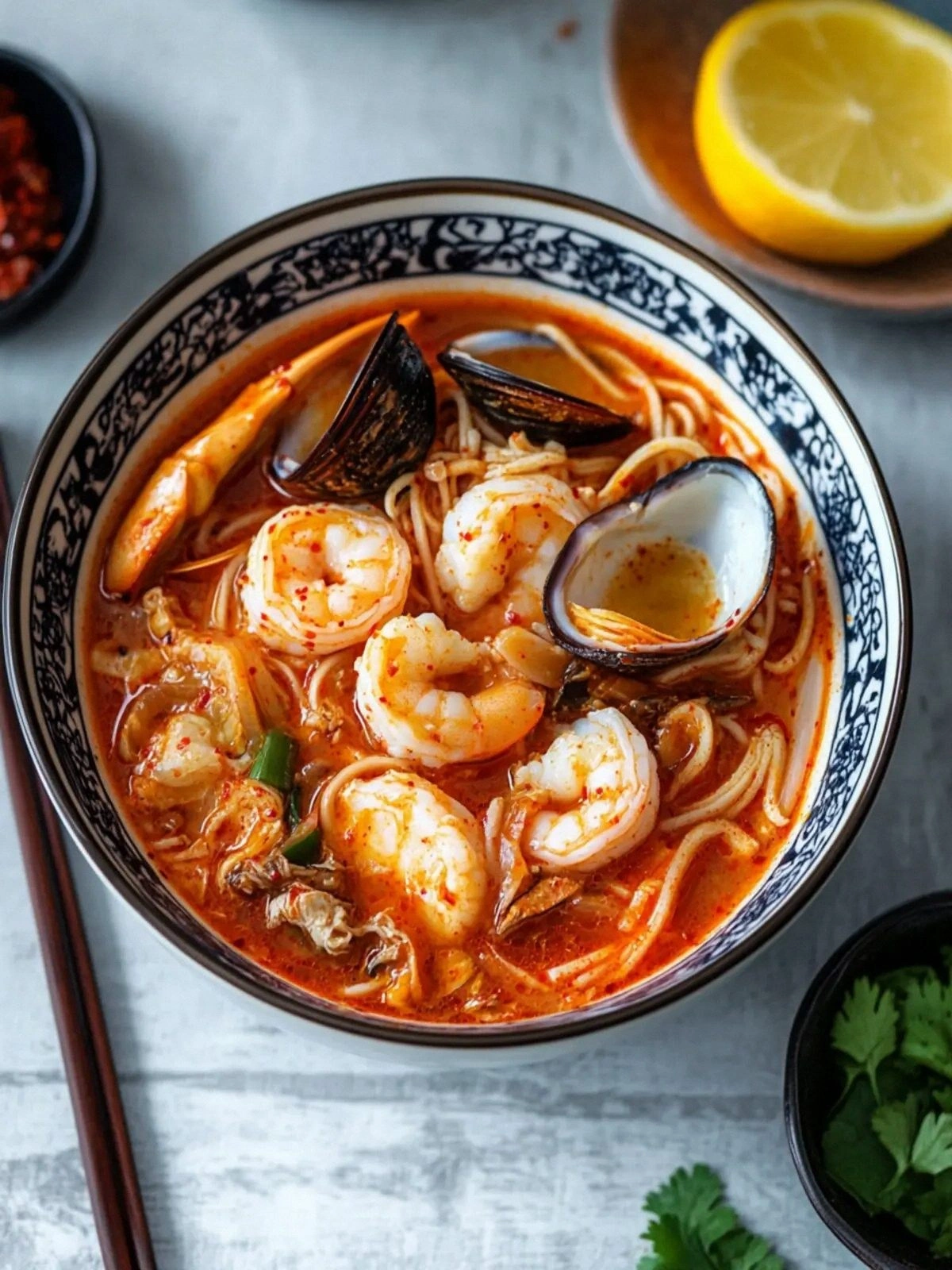
I was in a full‑blown kitchen crisis last week: I had just bought a bag of salmon, a tub of sushi rice, and a jar of teriyaki sauce, and I had no idea what to do with them all. I stared at the ingredients like a chef staring at a blank canvas, and my mind went, “Why is this so complicated?” That moment of culinary panic turned into an epiphany when I realized the simplest solution was to combine everything into one oven‑roasted dish that would taste like a sushi roll and feel like a comfort bake. I’m talking about a Teriyaki Salmon Sushi Bake that melts in your mouth and never leaves a sticky pan behind. This isn’t just another recipe; it’s a game‑changer that will make you wonder how you ever cooked salmon before.
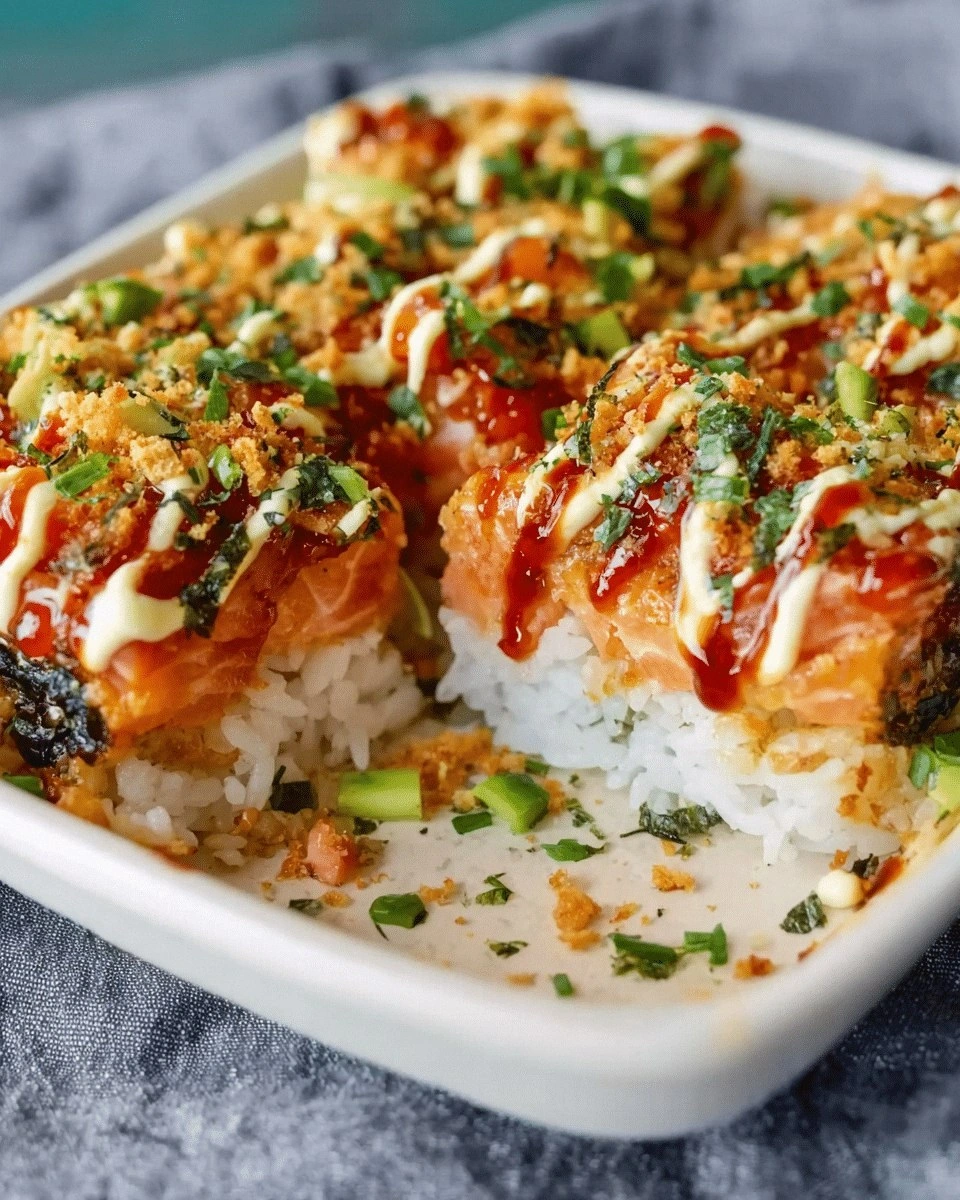
Picture the scene: the kitchen smells of sweet soy, the steam rises from a pot of rice, and the sound of the oven timer tick‑tocks like a metronome. Your eyes catch the glossy sheen of the teriyaki glaze on the salmon, the bright green of sliced cucumber, and the creamy swirl of avocado. The texture is a harmonious contrast—soft rice, flaky salmon, and the satisfying crunch of toasted nori. The first bite is a burst of umami, followed by a subtle sweetness that lingers, and the finish is a gentle hint of sesame. It’s a sensory symphony that you’ll want to play on repeat.
I dare you to taste this and not go back for seconds. I’ve tried countless sushi‑bake hybrids, and this version stands out because of its balanced flavor profile and the way the teriyaki sauce caramelizes into a glaze that coats the salmon like velvet. Most recipes get this completely wrong, either by under‑seasoning the rice or over‑cooking the fish. The secret? A precise ratio of sauce to fish, a quick sear before the bake, and the addition of sesame seeds that add a subtle crunch. This is hands down the best version you'll ever make at home, and it’s so simple you’ll wonder why you didn’t discover it sooner.
If you've ever struggled with getting sushi rice to stay fluffy or with balancing sweet and salty in a teriyaki glaze, you're not alone. I’ve had my share of burnt rice and soggy fish, but those failures taught me the exact temperature and timing that makes this dish shine. And now, I’m about to walk you through every single step—by the end, you'll wonder how you ever made it any other way. Let’s dive in.
What Makes This Version Stand Out
- Flavor: The teriyaki glaze is a balanced blend of soy, mirin, and a touch of sugar that caramelizes beautifully, giving the salmon a sweet, smoky finish that pairs perfectly with the subtle bitterness of nori.
- Texture: The oven bake locks in moisture while the quick sear creates a caramelized crust, resulting in flaky fish and a slightly crisp edge that shatters like thin ice.
- Convenience: All ingredients are prepped in under 15 minutes, and the bake itself takes 30 minutes—no need for a sushi rolling mat or a bamboo tray.
- Visual Appeal: The glossy glaze, the pop of green from cucumber, and the golden toast of sesame seeds create a dish that looks as good as it tastes.
- Crowd‑Pleaser: Whether it’s a weeknight dinner or a small gathering, this bake delivers a full‑sushi experience that even sushi‑skeptics will love.
- Ingredient Quality: Fresh, high‑quality salmon and sushi rice are key; they make the difference between a mediocre bake and a show‑stopper.
- Make‑Ahead Potential: The dish can be assembled ahead of time and refrigerated; it even tastes better the next day as the flavors meld.
- Heat Distribution: The oven’s even heat ensures the salmon cooks through without drying out, while the rice stays fluffy.
Alright, let's break down exactly what goes into this masterpiece...
Inside the Ingredient List
The Flavor Base
The heart of this dish is the teriyaki glaze—soy sauce, mirin, sake, and a dash of sugar. Soy sauce provides the umami backbone, mirin adds a sweet depth, and sake balances the acidity. Sugar is the sweet whisper that caramelizes into a glossy sheen. If you skip the sugar, the glaze will taste flat and overly salty; if you skip the mirin, you lose that subtle sweetness that makes the dish feel complete.
The Texture Crew
Sushi rice is the canvas that holds everything together. Its sticky yet fluffy nature is crucial; under‑cooked rice becomes mushy, while over‑cooked rice turns dry. A quick sear of the salmon before the bake creates a caramelized crust that gives a pleasant bite, while the interior remains tender and moist. Sesame oil and seeds add a nutty aroma and a delicate crunch that contrasts with the soft rice.
The Unexpected Star
Cucumber and avocado are not just garnish—they bring contrasting textures and a fresh burst that cuts through the richness of the salmon. The cucumber’s crispness balances the buttery avocado, while their colors add a visual pop. If you’re vegan, replace salmon with marinated tofu or tempeh, but keep the glaze to maintain that sweet‑salty harmony.
The Final Flourish
Nori sheets add a savory umami layer and a slight chewiness that mimics traditional sushi. Green onions bring a sharp, oniony bite, and a touch of chili flakes adds a whisper of heat for those who like a kick. Pickled ginger, served on the side, cleanses the palate and prepares your taste buds for the next bite. If you’re allergic to sesame, simply omit the seeds and oil; the dish will still shine.
Everything's prepped? Good. Let's get into the real action...
The Method — Step by Step
- Preheat your oven to 400°F (200°C). While the oven warms, rinse the sushi rice under cold water until the water runs clear. This removes excess starch and ensures the grains stay separate. The rice should be fluffy, not sticky, so keep an eye on it.
- In a saucepan, combine 2 1/2 cups of water, 1/4 cup rice vinegar, 2 tbsp sugar, and 1 tsp salt. Bring to a gentle simmer, then pour over the rinsed rice. Cover tightly and let it steam for 18 minutes. This step is where the rice gets its signature aroma.
- While the rice cooks, whisk together 2 tbsp soy sauce, 2 tbsp mirin, 1 tbsp sake, and 1 tsp sugar in a small bowl. This will be your teriyaki glaze. The sugar is crucial for that caramelized finish.
- Season the salmon fillets with a pinch of salt and pepper. Heat a skillet over medium‑high heat and add 1 tbsp sesame oil. Sear the salmon for 2 minutes on each side until a golden crust forms; this locks in moisture and creates a flavorful base.
- Once seared, brush each fillet with 2 tbsp of the teriyaki glaze. Place the salmon on a parchment‑lined baking sheet. This step is the moment of truth—watch the glaze bubble and thicken into a glossy sheen.
- Spread the cooked rice evenly over a sheet of nori in a rectangular pan. Gently press the rice to flatten it. Top with the glazed salmon fillets, then sprinkle sesame seeds and sliced green onions. The rice should look like a sushi roll, but baked.
- Bake in the preheated oven for 12–15 minutes, or until the salmon is cooked through and the edges of the rice start pulling away from the pan. The rice should be slightly toasted, adding a nutty crunch.
- Remove from the oven and let it rest for 5 minutes. This rest period allows the flavors to meld and the rice to set. During this time, slice the cucumber and avocado for topping.
- Serve hot, garnished with cucumber slices, avocado, a drizzle of the remaining glaze, and a side of pickled ginger. The final touch is a sprinkle of chili flakes for those who love a hint of heat.
- Enjoy! The first bite should hit you with that sweet‑salty caramelized glaze, followed by the creamy avocado, the crisp cucumber, and the tender salmon. The aroma alone will make your kitchen feel like a sushi bar.
That's it — you did it. But hold on, I've got a few more tricks that'll take this to another level...
Insider Tricks for Flawless Results
The Temperature Rule Nobody Follows
Most people bake at a standard 375°F, but this dish thrives at 400°F. The higher heat caramelizes the glaze faster, giving that glossy sheen while preventing the rice from becoming mushy. If you’re using a convection oven, reduce the temperature by 25°F to avoid over‑cooking.
Why Your Nose Knows Best
The aroma of the teriyaki glaze is a real indicator of doneness. When the glaze starts to bubble vigorously and emits a sweet, caramel scent, the salmon is ready. If you smell a raw fish odor, give it a few more minutes.
The 5-Minute Rest That Changes Everything
Letting the bake rest after it comes out of the oven is essential. During this brief pause, the steam redistributes, making the rice fluffier and the salmon juicier. Skipping this step often results in a dry, clumpy texture.
The Rice‑Water Ratio Trick
Using too much water will leave the rice soggy. I always measure 1 cup of rice to 1 1/4 cups of water. This ratio keeps the grains separate and prevents a sticky mess.
The Sesame Seed Splash
Add a tablespoon of toasted sesame seeds right before you bake. They add a subtle nutty flavor that pairs beautifully with the teriyaki glaze. If you’re not a fan of sesame, use a sprinkle of crushed nori instead.
Creative Twists and Variations
This recipe is a playground. Here are some of my favorite ways to switch things up:
Spicy Sriracha Salmon
Swap the chili flakes for a tablespoon of sriracha in the glaze. The heat balances the sweetness, giving you a bold, fiery flavor that pairs well with cucumber.
Miso‑Glazed Salmon
Replace half the soy sauce with white miso paste. The result is a richer, earthier taste that makes the dish feel like a hearty stew.
Vegetarian Tempeh Version
Marinate sliced tempeh in the teriyaki glaze for 15 minutes, then bake as usual. The tempeh absorbs the sauce and offers a chewy texture that mimics salmon.
Coconut‑Rice Twist
Cook the sushi rice in coconut milk instead of water for a tropical flavor. The coconut adds a subtle sweetness that pairs wonderfully with the teriyaki glaze.
Cheesecake‑Inspired Finish
Top the finished bake with a dollop of cream cheese mixed with lime zest. The tangy creaminess cuts through the richness of the salmon.
Storing and Bringing It Back to Life
Fridge Storage
Cool the bake completely, then cover tightly with plastic wrap or a lid. Store in the refrigerator for up to 2 days. The rice will firm slightly, but the glaze will keep the dish moist.
Freezer Friendly
Wrap portions individually in foil and place them in a freezer bag. They’ll keep for up to 3 months. Thaw overnight in the fridge before reheating.
Best Reheating Method
Reheat in a 350°F oven for 10–12 minutes, or until warmed through. Add a tiny splash of water before reheating to create steam that restores the rice’s softness. A quick microwave step (30 seconds) can also work, but the oven keeps the glaze from drying out.