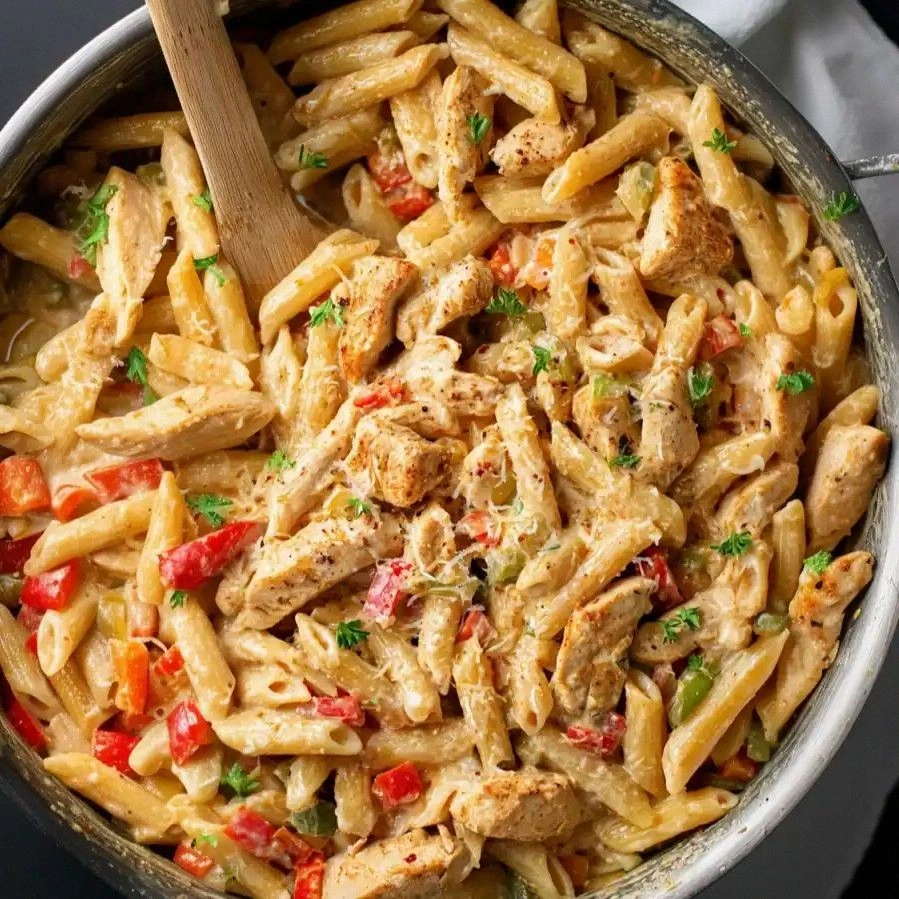
Picture this: it’s 2 a.m., the kitchen lights flicker like a neon sign, and you’re staring at a half‑cooked chicken breast that’s stubbornly refusing to brown. I was chasing a midnight craving for something that feels like a hug in a bowl, and that’s when I remembered a dusty recipe card from my grandma’s cookbook that promised a creamy, cheesy pasta with Asiago. I had no idea how epic it would be until I took that first bite—smooth sauce, perfectly al dente noodles, and a hint of nutty cheese that melted into a silky blanket over every strand. I’m telling you, this isn’t just another pasta; it’s a flavor revolution that will have you asking why you ever settled for bland.
The moment the sauce hits the pan, you’ll hear a gentle sizzle that’s almost a whisper of “good things are coming.” The aroma is a seductive mix of garlic, butter, and that unmistakable sharpness of Asiago—like a warm, cheesy sunrise. When you taste it, the creaminess feels like velvet on your tongue, while the peppery bite from the chicken keeps the dish from being too sweet. The texture is a glorious dance of crispy edges from the pan‑seared chicken against the tender pasta, and the finish? A lingering, savory aftertaste that makes you want to lick the bowl clean. If you’ve ever wondered what it feels like to eat a dish that’s both comforting and daring, you’re about to find out.
What makes this version stand out? The secret sauce is a blend of classic Italian techniques and bold twists that elevate every bite. I dared to add a splash of white wine to deglaze the pan, a touch of fresh basil for brightness, and a drizzle of truffle oil at the end for that “wow” factor. The result? A dish that feels both familiar and entirely new, a harmony of flavors that dance on the palate. And the best part? It’s a one‑pan wonder that’s practically foolproof, so even if you’re a kitchen novice, you’ll walk away with a masterpiece. I dare you to taste this and not go back for seconds.
Let me walk you through every single step—by the end, you’ll wonder how you ever made it any other way. From selecting the freshest chicken to mastering the silky sauce, we’ll cover all the insider secrets that make this dish a showstopper. I’ll share the hacks that save time, the tweaks that boost flavor, and the small details that turn a good meal into a great one. Ready to transform your dinner routine? Let’s dive in.
What Makes This Version Stand Out
- Flavor Depth: The combination of Asiago, Parmesan, and a splash of white wine creates a complex, layered taste that’s richer than any standard cheese sauce.
- Texture Contrast: Crispy, golden chicken edges meet silky pasta, offering a satisfying bite that keeps the dish interesting.
- Simplicity: Only one pan is required, which means less cleanup and more time to enjoy the meal.
- Ingredient Quality: Using fresh, high‑grade Asiago instead of pre‑shredded cheese elevates the overall flavor profile dramatically.
- Make‑Ahead Friendly: The sauce can be prepared ahead of time and reheated without losing its creamy texture, making it perfect for busy weeknights.
- Audience Appeal: Whether you’re a foodie or a casual home cook, the dish’s bold flavors and comforting nature appeal to all.
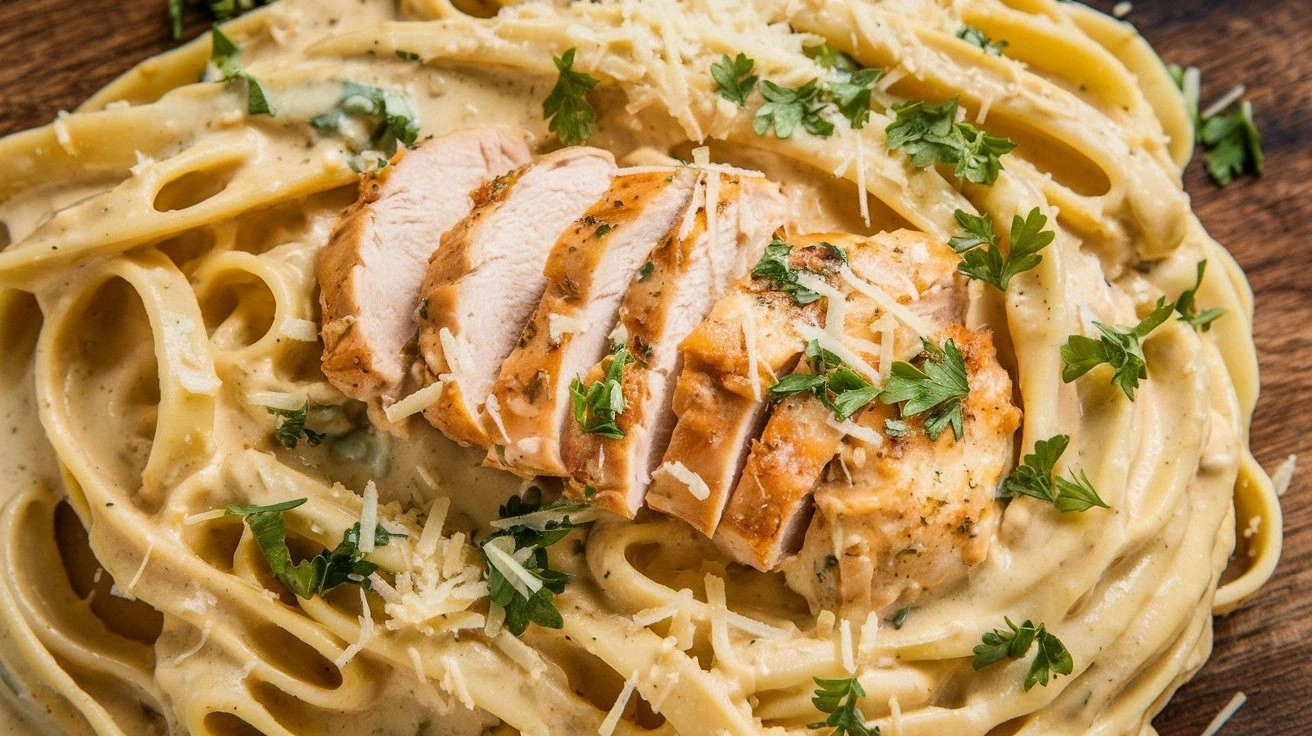
- Visual Appeal: The golden, glossy sauce glistens over the pasta, making the dish Instagram‑ready and mouth‑watering.
- Versatility: Swap the chicken for shrimp or tofu and the dish transforms into a new culinary adventure.
Alright, let's break down exactly what goes into this masterpiece...
Inside the Ingredient List
The Flavor Base
Garlic and onion form the aromatic backbone of the sauce. Sautéing them in olive oil releases their natural sweetness and builds a foundation that supports the richness of the cheese. If you skip the onion, the sauce will feel a bit flat—think of it as the missing note in a symphony. For an extra layer, add a splash of white wine after the aromatics to deglaze the pan and lift the flavors.
The Texture Crew
Chicken breast is the star that adds protein and substance. Cut it into bite‑sized pieces to ensure even cooking and a pleasant chew. If you prefer a vegetarian option, swap the chicken for sautéed mushrooms or diced tofu; the key is to get a golden sear for that delightful crunch. The pasta itself should be cooked al dente to maintain its bite, which balances the creamy sauce.
The Unexpected Star
Asiago cheese is the secret weapon that gives this dish its distinctive flavor. Its nutty, slightly sharp profile complements the cream and butter, creating a sauce that coats the pasta like velvet. If you can’t find Asiago, a blend of Parmesan and a dash of nutty cheese (such as Fontina) can approximate the taste. Remember, the quality of the cheese matters; a lower‑grade cheese will result in a bland sauce.
The Final Flourish
Fresh herbs like parsley and basil finish the dish with a burst of color and brightness. Toss them in at the very end to preserve their aroma and avoid wilting. A drizzle of truffle oil or a pinch of red pepper flakes can add depth and heat, respectively. These finishing touches elevate the dish from good to unforgettable.
Everything's prepped? Good. Let's get into the real action...
The Method — Step by Step
- Heat a large skillet over medium heat and add 2 tablespoons of olive oil. Once the oil shimmers, add 2 minced garlic cloves and 1 finely chopped onion. Sauté until the onion turns translucent and the garlic releases its fragrance—about 3–4 minutes. This is the moment your kitchen smells like a cozy Italian trattoria.
- Add the diced chicken breast (about 1 pound, cut into bite‑sized pieces) to the pan. Season with salt and pepper. Cook until the chicken is golden on all sides and no longer pink in the center—roughly 5–6 minutes. The sizzle you hear here is the promise of flavor.
- Pour in 1 cup of heavy cream and stir to combine. Let the mixture simmer for 3 minutes, allowing the cream to thicken slightly. This is the creamy base that will coat the pasta like velvet.
- Reduce the heat to low and add 1 cup of freshly grated Asiago cheese. Stir continuously until the cheese melts completely and the sauce becomes silky. If the sauce thickens too much, add a splash of chicken broth to reach your desired consistency.
- In a separate pot, cook 12 ounces of your favorite pasta (penne or fettuccine works best) according to package instructions until al dente. Reserve 1 cup of pasta water before draining.
- Add the cooked pasta directly into the skillet with the sauce. Toss to coat evenly, adding reserved pasta water a tablespoon at a time if the sauce needs thinning. The pasta should be glossy and coated, not soggy.
- Stir in 1/4 cup of grated Parmesan for extra depth, then fold in a handful of chopped fresh parsley and a few basil leaves. Sprinkle a pinch of red pepper flakes if you like a hint of heat.
- Finish with a drizzle of truffle oil for an indulgent aroma and a final touch of richness. Serve hot, garnished with extra parsley and a sprinkle of Asiago for that elegant finish.
That's it—you did it. But hold on, I've got a few more tricks that'll take this to another level. Trust me, these small adjustments make a world of difference.
Insider Tricks for Flawless Results
The Temperature Rule Nobody Follows
Many cooks keep the stove on high once the sauce starts to thicken, which can scorch the cheese and ruin the texture. Keep the heat on low or medium‑low after adding the cheese, and stir constantly. This ensures a silky sauce that coats the pasta without any grit.
Why Your Nose Knows Best
Smell is your secret judge. As soon as the sauce starts to thicken, the aroma should become rich and nutty. If it smells flat or overly buttery, add a pinch of salt or a splash of white wine to lift the flavors.
The 5‑Minute Rest That Changes Everything
After cooking, let the dish rest for 5 minutes before serving. This allows the flavors to meld and the sauce to thicken slightly, creating a more cohesive bite. It also gives the pasta a chance to absorb any remaining liquid, ensuring every forkful is silky.
The Secret of Fresh Herbs
Adding herbs too early can cause them to wilt and lose their bright flavor. Toss them in just before serving, or add a handful of fresh basil leaves at the last minute. The result is a vibrant, aromatic finish.
The Cream vs. Milk Debate
If you’re looking for a lighter version, replace half the cream with whole milk. The sauce will still be creamy but with a lower fat content. Just keep an eye on the consistency; you might need a splash of broth to balance it out.
The Final Touch of Truffle Oil
Truffle oil is an indulgent addition that elevates the dish to gourmet status. Use it sparingly—one drizzle is enough to impart a luxurious aroma without overpowering the other flavors.
Creative Twists and Variations
This recipe is a playground. Here are some of my favorite ways to switch things up:
Shrimp & Spinach Surprise
Swap the chicken for shrimp and add a handful of fresh spinach in the final toss. The shrimp’s sweet bite pairs beautifully with the creamy sauce, while the spinach adds a pop of color and nutrition.
Vegan Delight
Replace the chicken with sautéed tofu cubes and use coconut milk plus vegan Asiago substitute. The result is a plant‑based dish that still delivers that signature cheesy richness.
Mediterranean Twist
Add sun‑dried tomatoes, kalamata olives, and a splash of lemon juice. These ingredients give the dish a briny, tangy kick that transports you to the Mediterranean coast.
Spicy Cajun Kick
Stir in a teaspoon of Cajun seasoning and a handful of roasted red peppers. The heat and smoky flavor add an unexpected edge to the creamy base.
Breakfast Bounty
Use breakfast sausage instead of chicken and top the finished dish with a poached egg. The runny yolk adds a decadent, savory layer that makes for a hearty breakfast.
Pesto Power
Fold in a couple of tablespoons of basil pesto just before serving. The pesto’s herbal freshness cuts through the richness, creating a balanced, vibrant flavor profile.
Storing and Bringing It Back to Life
Fridge Storage
Store leftovers in an airtight container in the refrigerator for up to 3 days. When reheating, add a splash of milk or cream to restore the sauce’s silky texture. Gently heat over low heat, stirring until warmed through.
Freezer Friendly
Freeze the dish in a freezer‑safe container for up to 2 months. Thaw overnight in the refrigerator, then reheat slowly on the stovetop while adding a little broth to loosen the sauce. The flavor remains robust.
Best Reheating Method
The secret to reheating without drying out is to keep the heat low and stir frequently. Add a teaspoon of water or broth every few minutes to keep the sauce moist. Finish with a sprinkle of fresh herbs for a fresh aroma.