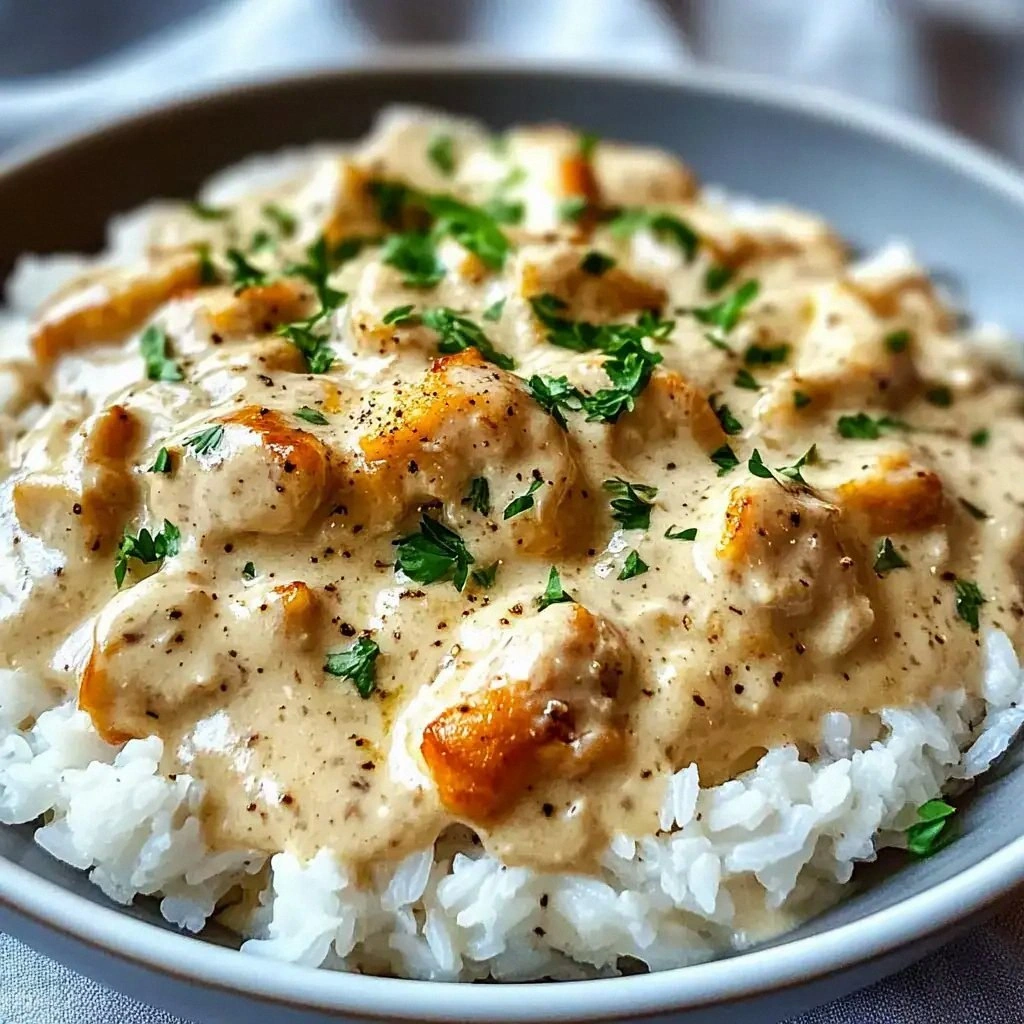
I burned dinner three times last week trying to chase the memory of my grandmother’s smothered chicken. The first attempt emerged from the oven looking like desert sandstone—dry, cracked, and accusing. The second swam in a puddle of floury goo that tasted like elementary-school paste. By round three I was ready to surrender to take-out menus forever, but the smell of paprika and butter still haunted my kitchen at 2 a.m., whispering that somewhere between those failures lived the silky, soul-hugging bowl I craved. So I did what any reasonable food-obsessed maniac does: I invited the neighbor over, handed her a wooden spoon, and said, “We are not leaving this kitchen until we can make creamy smothered chicken and rice that makes grown adults close their eyes and sway.”
Four pounds of chicken, two bottles of cream, and one slightly singed oven mitt later, we cracked the code. The moment the sauce hit the rice, the grains plumped like they’d been to a spa weekend, each kernel wearing a glossy coat that could make a silk scarf jealous. The chicken—oh, the chicken—practically sighed as it surrendered to the fork, revealing fibers so tender they made slow-cooked competition look like boot leather. My neighbor, who swears she “doesn’t get emotional about food,” actually teared up, then demanded the recipe in exchange for babysitting my cat for a month. I still think I got the better end of that deal.
Most smothered-chicken recipes treat the sauce like an afterthought: a slurry of canned soup and hope. That’s culinary crime. When done right, the sauce is the main event, a velvet blanket that carries onion powder’s sweetness, garlic’s bass note, and paprika’s sunset hue straight to your limbic system. It should coat the back of a spoon so completely that you can draw a finger through it and the trail holds like graffiti on a midnight wall. This version builds layers the way a symphony builds sound—first the sear, then the sauté, then the slow melt of cream cheese into cream until the whole pot shines like liquid topaz.
Let me walk you through every single step—by the end, you’ll wonder how you ever made it any other way.
What Makes This Version Stand Out
- Lush Factor: Heavy cream meets a stealth cube of cream cheese, creating a texture so plush it could double as a pillow for edible dreams. The trick is whisking the cheese in off-heat so it melts silk-smooth instead of turning grainy and sulky.
- Spice Balance: Paprika isn’t just a color agent here; it’s the warm hug that bridges savory chicken and sweet cream. A whisper of smoked paprika deepens the chorus without shouting “barbecue” at your grandma.
- One-Pot Integrity: Everything from sear to simmer happens in a single heavy skillet, meaning you capture every mahogany bit stuck to the pan—those fond fragments are liquid gold.
- Make-Ahead Magic: The sauce actually improves after a night in the fridge because the rice absorbs just enough liquid to swell, yet stays distinct. Reheat with a splash of broth and it’s like it just winked at you from the stove.
- Texture Contrast: We sear the chicken hard and fast so the edges shatter like thin ice under the sauce, giving you crackly surprise bites amid all that velvet.
- Weeknight Speed: Total active time is under thirty minutes, which means you can roll through the door, kick off your shoes, and still eat like you planned this meal for days.
Alright, let's break down exactly what goes into this masterpiece...
Inside the Ingredient List
The Flavor Base
Chicken breasts get all the magazine covers, but thighs are the reliable best friend who shows up with ice cream after a breakup. They stay juicy even if you get distracted by a group text crisis, and their faintly gamey richness plays beautifully with cream. If you’re a die-hard white-meat loyalist, promise me you’ll pull them off the heat the second they hit 160°F; any hotter and you’ll need a time machine to rescue the moisture.
Onion powder and garlic powder might seem like the supporting cast, but they’re actually the stage crew making sure the leads shine. Granulated versions disperse instantly into hot fat, avoiding the raw bite that fresh alliums can leave when they don’t get sufficient sauté time. Think of them as the pre-chopped mirepoix of the spice world: not glamorous, but absolutely essential for weeknight velocity.
The Texture Crew
Heavy cream clocks in at 36% fat, the sweet spot where sauce thickens without turning into bubble-gum goo. Anything lighter and you’ll be chasing a watery mess around the pan; anything heavier and you’re basically eating butter with a chicken garnish. If you’re tempted to swap in half-and-half, I’ll send you a sympathy card when your sauce breaks into dairy confetti.
Cream cheese is the clandestine operator that turns ordinary cream into velvet rope luxury. Add it off-heat, whisk like you’re mixing liquid velvet, and watch the sauce go from “pretty good” to “I need a moment alone with this spoon.” Skip it and the dish still tastes fine—kind of like watching a movie on your phone instead of IMAX.
The Unexpected Star
Paprika is the shy kid at the spice dance who blossoms under the right lighting. Hungarian sweet paprika gives a round, earthy warmth, while Spanish pimentón adds whispered smoke. Whichever you choose, swap out the bottle if the color has faded to dusty rose; volatile oils vanish faster than motivation on a Monday morning, taking both hue and flavor with them.
The Final Flourish
Fresh parsley seems like a cosmetic afterthought until you taste the grassy pop it adds against the creamy backdrop. Chop it just before sprinkling; the minute those leaves hit oxygen they start fading like Polaroids in sunlight. If you want to get fancy, use flat-leaf Italian parsley rather than the curly variety—more flavor, less 1970s garnish nostalgia.
Everything's prepped? Good. Let's get into the real action...
The Method — Step by Step
- Season the chicken on both sides with salt, pepper, onion powder, garlic powder, and paprika at least fifteen minutes before cooking. This dry brine gives salt time to migrate inward, seasoning the meat beyond the surface. Lay the pieces on a wire rack set over a sheet pan so air circulates; moisture evaporates, and you’ll get a drier exterior that sears like a dream. Picture yourself as a flavor architect: every speck of spice is a brick in the fortress of taste you’re about to build.
- Heat a 12-inch stainless or cast-iron skillet over medium-high for two full minutes. Add olive oil; when the surface shimmers but doesn’t smoke, lay the chicken down away from you to avoid oil splatter tattoos. Do not crowd—if the pieces touch they’ll steam, and you’ll miss the golden crust that equals fifty percent of the dish’s personality. Listen for that confident sizzle; it should sound like applause at a rock concert.
- Cook the first side undisturbed for four minutes. Resist the urge to poke, prod, or peek—every lift lets heat escape and crust formation stalls. When the edges turn opaque halfway up the side and the underside releases easily from the pan, flip and sear the second side three minutes. Transfer to a plate; they’ll finish cooking later in the sauce, so slight under-doneness is your insurance policy against stringy sadness.
- Drop the heat to medium and melt butter in the same pan, scraping the bronzed bits with a wooden spoon. Those caramelized proteins are culinary bitcoin—pure concentrated flavor currency. Add minced fresh garlic and stir until it smells like you walked into an Italian grandma’s living room, about thirty seconds. Watch closely; garlic goes from golden to bitter faster than teenagers change moods.
- Pour in chicken broth and bring to a lively simmer, whisking to dissolve the fond. The liquid will look like weak tea at first, then gradually darken as the caramelized sugars emulsify into the broth. Reduce by half; this concentrates flavor and removes water that would otherwise thin your sauce into dishwater disappointment. You’re looking for a glossy mahogany pool that barely coats the bottom of the pan.
- Lower heat to gentle, then whisk in heavy cream. The mixture will transform from muddy brown to café au lait velvet. Keep the bubbles lazy—vigorous boiling will break the cream and leave you with an oily mess that no amount of whisking will reunite. Think of it as coaxing a shy cat onto your lap; slow movements win the day.
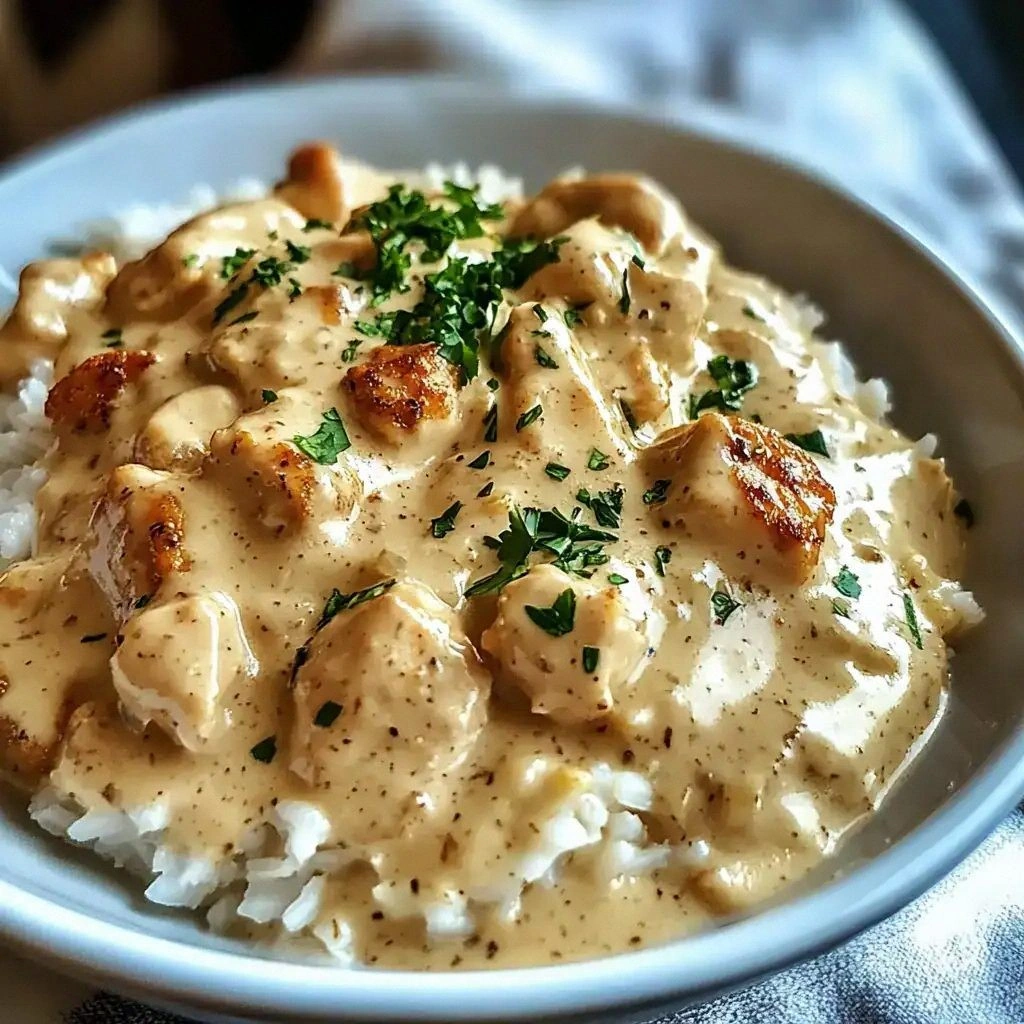
- Add the optional cube of cream cheese off-heat, pressing it against the side of the pan with a spatula until it melts into satin ribbons. This step is where home cooks whisper “oh my gosh” under their breath because the sauce goes from merely good to restaurant-luxurious. Return the chicken and any collected juices to the pan, turning to coat each piece in the liquid equivalent of a cashmere sweater.
- Fold in the cooked rice, making sure every grain gets a glossy coat. Cover and simmer on the lowest heat for five minutes so flavors mingle like guests at the best dinner party. Taste for salt; sauces thicken slightly as they cool, so err on the side of a hair under-seasoned. Finish with a shower of fresh parsley, then serve directly from the skillet because this dish believes in casual confidence.
That's it—you did it. But hold on, I've got a few more tricks that'll take this to another level...
Insider Tricks for Flawless Results
The Temperature Rule Nobody Follows
Pull the chicken when it reaches 160°F internal; carry-over heat will nudge it to the USDA-safe 165°F while it lounges in the sauce. A $15 instant-read thermometer saves you from the sawdust texture that happens when ego says “it looks done” but science says “keep dreaming.” I once served hockey-puck chicken to a table of firefighters; even they couldn’t chew through it, and those folks eat burnt toast for fun.
Why Your Nose Knows Best
When the garlic hits butter, start counting Mississippi’s. Thirty seconds past raw and it smells sweet, almost nutty. Five seconds too long and it turns acrid, like a mall food court in July. Trust the aroma more than the clock; your stove, your pan, your garlic are unique snowflakes and the timer on my blog can’t smell your kitchen.
The Five-Minute Rest That Changes Everything
After folding in rice, kill the heat, cover, and walk away. Five short minutes lets the grains absorb sauce without turning to mush, and the chicken relaxes so juices redistribute instead of sprinting out at first cut. Use the time to set the table, pour yourself a drink, or just stare into the middle distance feeling like a culinary wizard.
Creative Twists and Variations
This recipe is a playground. Here are some of my favorite ways to switch things up:
Mushroom Forest Edition
Swap half the chicken for a mountain of cremini mushrooms sliced thick. They sear first, developing meaty umami that plays bass to the cream’s treble. Add a sprig of fresh thyme and finish with a whisper of soy sauce for depth. Vegetarians at the table will thank you, though they’ll still eye your chicken with longing.
Buffaloreque Blitz
Replace paprika with a teaspoon of Buffalo seasoning and swap cream cheese for blue cheese crumbles. The result tastes like wings met comfort food and had a beautiful, saucy baby. Serve with celery sticks on the side for crunch and the illusion of health.
Sun-Dried Tomato & Spinach Fling
Stir in a handful of julienned sun-dried tomatoes and baby spinach right before the final simmer. The tomatoes bring chewy sweet-tart bursts, while spinach wilts into silky ribbons that make the whole skillet look like a Florentine sunset. Bonus points if you pronounce “Florentine” with an exaggerated Italian accent.
Storing and Bringing It Back to Life
Fridge Storage
Transfer cooled leftovers to an airtight glass container; plastic will absorb the garlic perfume and betray you tomorrow morning when you reach for yogurt and get paprika instead. Keeps four days, though mine never survives past breakfast because cold creamy rice straight from the fridge is a secret delicacy.
Freezer Friendly
Portion into freezer bags, press out excess air, and freeze flat for up to two months. Thaw overnight in the fridge, not the microwave, unless you enjoy grainy sauce tantrums. The cream may separate slightly; whisk vigorously over gentle heat and it’ll come back together like old friends after a silly fight.
Best Reheating Method
Place leftovers in a skillet with a splash of chicken broth, cover, and warm over medium-low. The steam rehydrates rice without turning it gummy, and the sauce regains its original gloss. Microwave works in a pinch, but stir every thirty seconds to avoid hot spots that turn cream into cottage-cheese curds.