I was standing in my kitchen, staring at a burnt batch of lemon cake that had turned into a sad, dry slab. The oven door swung open and a wave of acrid, scorched air hit my nose like a bad joke. I could feel the disappointment settling into my shoulders, a reminder that even the simplest recipes can betray you. That moment sparked a fire in me—no more half‑baked lemon disasters. I vowed to discover the ultimate version that would bring the kitchen back to life.
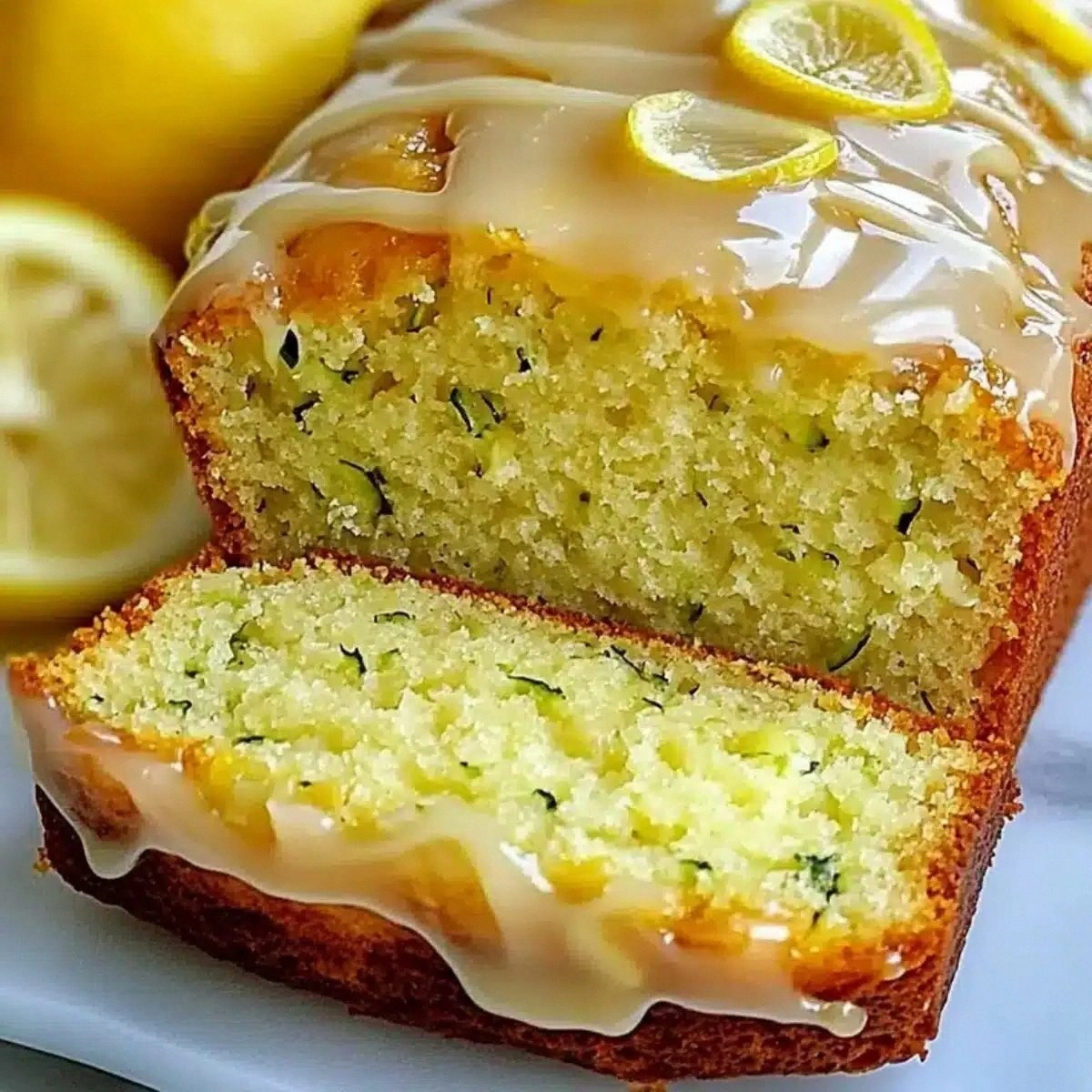
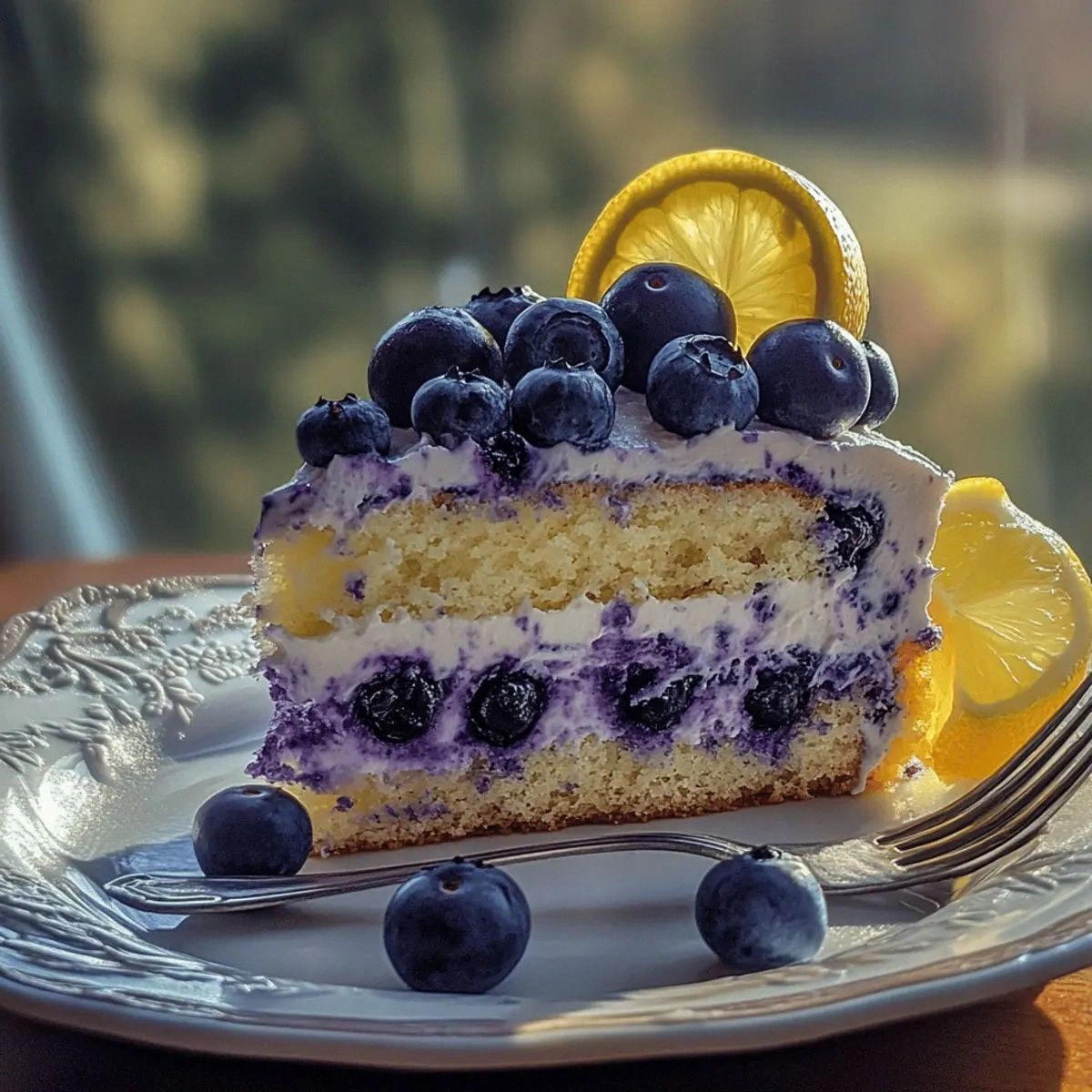
Picture this: a golden dome, its surface shimmering with a subtle glaze, the aroma of citrus and fresh berries swirling in the air. The first bite is a burst of bright lemon, followed by a gentle, sweet blueberry kiss that melts into a buttery crumb. The texture is a whisper of airy sponge that clings to your palate without being heavy. The sound of the first forkful crunching softly against the sponge is music to a baker’s ears. You can almost feel the warmth radiating from the cake, a comforting hug that makes the whole room feel brighter.
What makes this version stand out is that it’s built on a foundation of simplicity that still delivers a punch of flavor. I’ve stripped away the fluff and kept the core ingredients that shine: fresh lemon, plump blueberries, and a silky glaze that ties everything together. The batter rises like a cloud, not a puff, so the cake never feels dense or gummy. And because it’s so approachable, it’s a crowd‑pleaser that can be whipped up on a weekday or a weekend brunch. The result? A cake that feels like a bright, sun‑kissed memory in every slice.
I’ll be honest—my first attempt was a half‑baked disaster, but that was the moment I realized how much potential there was. The key twist? A simple technique that keeps blueberries from sinking to the bottom and a glaze that gives the cake a glossy, professional finish. Picture yourself pulling this out of the oven, the whole kitchen smelling incredible, and feeling the anticipation build as the cake cools. Let me walk you through every single step—by the end, you’ll wonder how you ever made it any other way.
What Makes This Version Stand Out
- Flavor: The bright citrus of lemon cuts through the sweetness of blueberries, creating a balanced, refreshing taste that feels like a summer breeze.
- Texture: A light, airy sponge that rises beautifully, giving the cake a cloud‑like crumb that melts in your mouth.
- Glaze: A silky lemon glaze coats the cake, adding a glossy finish that looks as good as it tastes.
- Ingredient Quality: Fresh, seasonal blueberries and hand‑picked lemons elevate the overall flavor profile.
- Ease: No fancy equipment or complicated techniques—just a few simple steps that even a novice can master.
- Versatility: Works as a dessert, brunch staple, or a quick snack that satisfies sweet cravings.
- Make‑Ahead: The cake can be prepared a day ahead and refrigerated, and it still tastes fresh.
- Presentation: The vibrant color of blueberries against the lemon glaze makes it Instagram‑ready.
Alright, let's break down exactly what goes into this masterpiece…
Inside the Ingredient List
The Flavor Base
All-purpose flour is the silent hero that gives the cake its structure, allowing it to rise without collapsing. Granulated sugar sweetens the batter and helps create a tender crumb through caramelization. Baking powder is the leavening agent that ensures a light rise; without it, the cake would be dense and flat. Salt, though minimal, balances the sweetness and enhances the citrus notes.
The Texture Crew
Unsalted butter, when creamed with sugar, introduces air pockets that expand during baking, giving the cake its airy texture. Whole milk adds moisture and richness, preventing the batter from becoming dry. Eggs bind everything together, adding structure while also contributing to the cake’s tender crumb. The combination of butter, milk, and eggs creates a silky batter that spreads evenly.
The Unexpected Star
Fresh blueberries are the showstopper, providing bursts of juiciness and a pop of color. Their natural acidity complements the lemon, preventing the cake from feeling too sweet. If you’re out of fresh blueberries, frozen berries work fine—just thaw and pat dry to avoid excess moisture. A small pinch of lemon zest adds a fragrant, citrusy aroma that lingers after each bite.
The Final Flourish
Powdered sugar, when mixed with lemon juice, forms a glaze that gives the cake a glossy finish. The glaze not only adds sweetness but also locks in moisture, keeping the cake fresh longer. Lemon zest in the glaze amplifies the citrus profile and adds a subtle bright note. Together, these final touches turn a simple cake into a showpiece.
Everything's prepped? Good. Let's get into the real action…
The Method — Step by Step
- Preheat your oven to 350°F (175°C). Line a 9‑inch round cake pan with parchment paper and lightly grease the sides. This step ensures an even bake and a smooth release. If you’re feeling adventurous, dust the paper with a pinch of flour for extra flair.
- In a medium bowl, whisk together flour, baking powder, and salt. Sift the dry ingredients to eliminate lumps, making the batter silky. This dry mix will be the backbone of your cake, so keep it airy. A light hand here is key.
- In a separate bowl, cream the butter and sugar until pale and fluffy. Beat for 3–4 minutes on medium speed; the batter should double in volume. This creaming step locks in air, giving the cake its signature lightness. If you’re short on time, use a stand mixer for speed.
- Add eggs one at a time, beating well after each addition. The batter should be smooth and glossy. This step incorporates the eggs, which bind the batter and add richness. Watch the batter’s color change—it’s a sign you’re on the right track.
- Fold in the dry ingredients alternately with the milk and lemon juice, starting and ending with the dry mix. Stir until just combined; overmixing will make the cake tough. The batter should be thick yet pourable. Keep the mixture as smooth as a river.
- Pour the batter into the prepared pan, smoothing the top with a spatula. Gently tap the pan on the counter to release any air bubbles. The batter should sit level for even baking. A steady hand here pays off later.
- Bake for 30 minutes, or until a toothpick inserted into the center comes out clean. While baking, the cake should develop a golden crust and a fragrant lemon aroma. Let it cool in the pan for 10 minutes before transferring to a wire rack. This rest period allows the crumb to set.
- While the cake cools, whisk powdered sugar, lemon juice, and lemon zest until smooth to create the glaze. Drizzle the glaze over the warm cake, allowing it to soak into the crumb. The glaze will set into a glossy sheen as the cake cools. This final touch elevates the cake from simple to spectacular.
That's it — you did it. But hold on, I've got a few more tricks that'll take this to another level…
Insider Tricks for Flawless Results
The Temperature Rule Nobody Follows
Always preheat the oven fully before placing the cake inside. A temperature dip can cause the batter to set prematurely, leading to uneven rise. Keep an eye on the oven thermometer to ensure accuracy. I once baked at 325°F by mistake, and the cake ended up flat and dense.
Why Your Nose Knows Best
The aroma of lemon baking in the oven is a reliable indicator of doneness. When the scent intensifies, the cake is almost ready. Trust your nose—if you’re unsure, do a quick toothpick test. The smell is often the best judge of a perfect bake.
The 5-Minute Rest That Changes Everything
Letting the cake rest in the pan for 10 minutes before transferring to a rack allows the crumb to set, preventing cracks. This short rest also lets the glaze begin to set, creating a glossy finish. Skipping this step can lead to a cake that tears when you cut it. It’s a small time investment with a big payoff.
Keep Blueberries Intact
Gently fold the berries into the batter with a spatula instead of stirring vigorously. This keeps the berries whole and prevents them from bursting, which can make the cake soggy. If you prefer a more integrated flavor, you can mash half of the berries before folding.
Use Room‑Temperature Ingredients
Let the butter, eggs, and milk sit at room temperature before mixing. Cold ingredients can cause the batter to curdle or the cake to be uneven. A quick 15‑minute wait is worth the extra fluffiness and texture.
Glaze Timing Matters
Apply the glaze while the cake is still slightly warm; it will spread and soak in, giving a smoother finish. If you wait until the cake is completely cool, the glaze can harden into a crust. A warm glaze also enhances the lemon flavor.
Creative Twists and Variations
This recipe is a playground. Here are some of my favorite ways to switch things up:
Maple Blueberry Delight
Swap the lemon juice for maple syrup and reduce the sugar by a quarter. The maple adds a deep, caramelized flavor that pairs beautifully with blueberries. This variation is perfect for a cozy autumn brunch. The glaze can be made with maple syrup for a richer finish.
Rosemary Lemon Cake
Add a teaspoon of finely chopped fresh rosemary to the batter for a herbal twist. The rosemary complements the lemon’s brightness and adds a subtle pine note. This version is ideal for a brunch with a Mediterranean flair. Keep the glaze simple to let the rosemary shine.
Chocolate‑Covered Blueberry Surprise
After baking, dip half of the cake slices in melted dark chocolate. The chocolate’s bittersweetness balances the citrusy sweetness. This is a fun treat for chocolate lovers who still crave a fruity note. Let the chocolate set before serving.
Almond Flour Variation
Replace all-purpose flour with almond flour for a gluten‑free option. The cake will have a nuttier flavor and a denser crumb. Pair it with a citrus glaze to keep it light. This version is great for those with dietary restrictions.
Balsamic Blueberry Crunch
Drizzle a small amount of balsamic vinegar over the blueberries before folding into the batter. The acidity enhances the blueberries’ sweetness and adds a surprising depth. The cake’s glaze can be made with a touch of balsamic for a sweet‑savory finish.
Coconut Lemon Twist
Add half a cup of shredded coconut to the batter for a tropical feel. The coconut adds texture and a subtle sweetness that pairs with the lemon. The glaze can be made with coconut milk for a creamy finish. This version is perfect for a beach‑side gathering.
Storing and Bringing It Back to Life
Fridge Storage
Wrap the cooled cake tightly in plastic wrap and store in the refrigerator for up to 3 days. The glaze will keep the cake moist, but avoid over‑wrapping to prevent it from becoming soggy. When ready to serve, let the cake sit at room temperature for 15 minutes to restore its airy texture.
Freezer Friendly
Slice the cake before freezing; this makes thawing easier and prevents the cake from sticking together. Place slices in a freezer bag with a parchment sheet between layers. Freeze for up to 2 months. Thaw at room temperature for 30 minutes before serving.
Best Reheating Method
To revive a frozen slice, microwave on medium power for 15–20 seconds, then finish in a preheated oven at 300°F (150°C) for 5 minutes. Add a tiny splash of water before reheating; it steams back to perfection. The glaze will regain its glossy sheen, and the cake will taste fresh.